


Across much of the world, hunger is not caused by a lack of land or effort. It is often the result of land that has been exhausted, soils stripped of life, and farming systems that no longer serve the people who depend on them. For ECHO, caring for creation is not a secondary concern or a modern trend. It sits at the very center of how we understand food security, faith, and faithfulness.
Creation Care begins with a simple conviction. God’s creation is not merely a resource to be used, but a gift to be tended. When land is cared for well, it nourishes families, strengthens communities, and endures through changing climates. When land is degraded, the consequences are felt first by small scale farmers and their families.
Stewardship, not ownership
Scripture reminds us that “The earth is the Lord’s, and everything in it” (Psalm 24:1). This truth shapes how ECHO approaches agriculture. Farmers are not owners in an ultimate sense. They are stewards, entrusted with soil, seed, water, and knowledge that must serve both present and future generations.
Stewardship asks different questions than extractive agriculture. Instead of asking how much can be taken, it asks how life can be sustained. Instead of prioritizing short-term yield, it considers long-term resilience. It recognizes that human wellbeing and ecological health are deeply connected.

Faith and Farming in West Africa
This January, ECHO West Africa hosted a Faith and Farming gathering that brought together 70 participants from more than 12 countries. Farmers, church leaders, and practitioners gathered not only to discuss agricultural techniques, but to reflect on Scripture and consider what it means to care for land as an act of obedience.
During a session entitled “Agroecology and Faith,” Dr. Abram Bicksler, President and CEO of ECHO presented the contents of this training and offered a definition that resonated deeply with those in attendance:
"Agroecology applies ecological concepts and principles to create and maintain sustainable food systems while always considering social aspects to make them sustainable and fair. Agroecology is rooted in social and food contexts. It also gives attention to human and social values and rights. It adds dignity because it sees farmers as contributors."
Dr. Abram Bicksler, President and CEO of ECHO
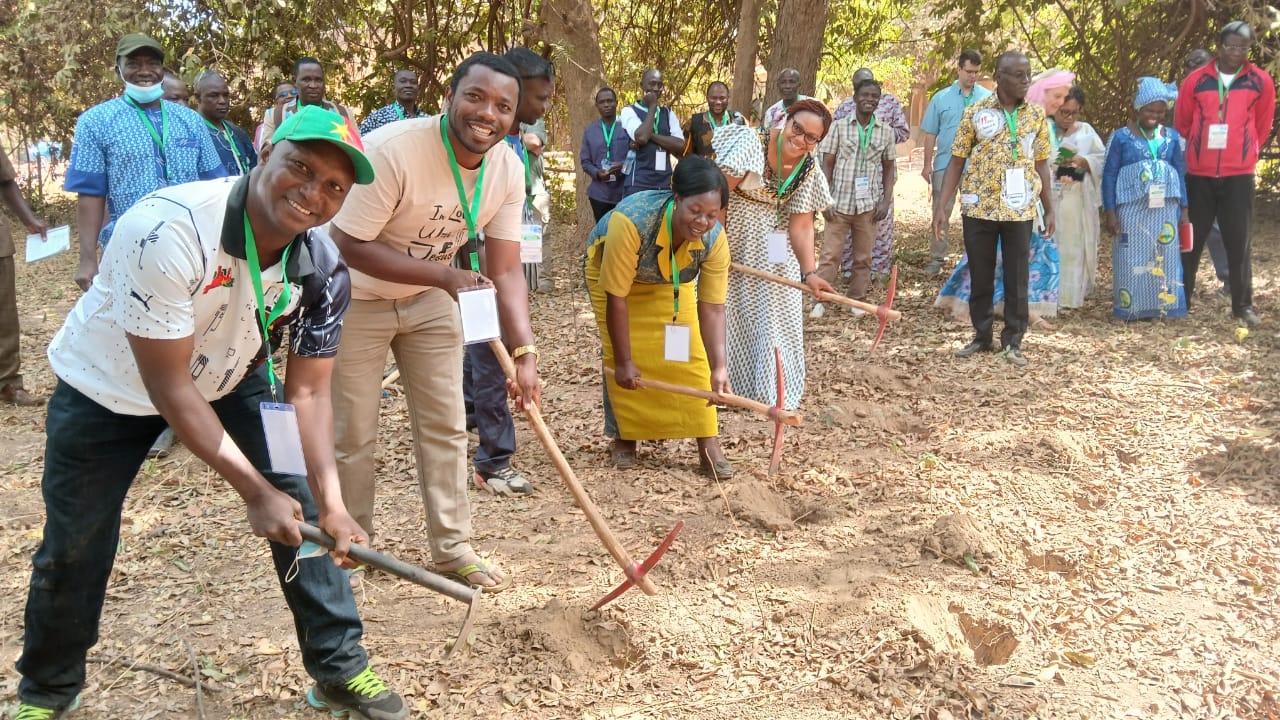
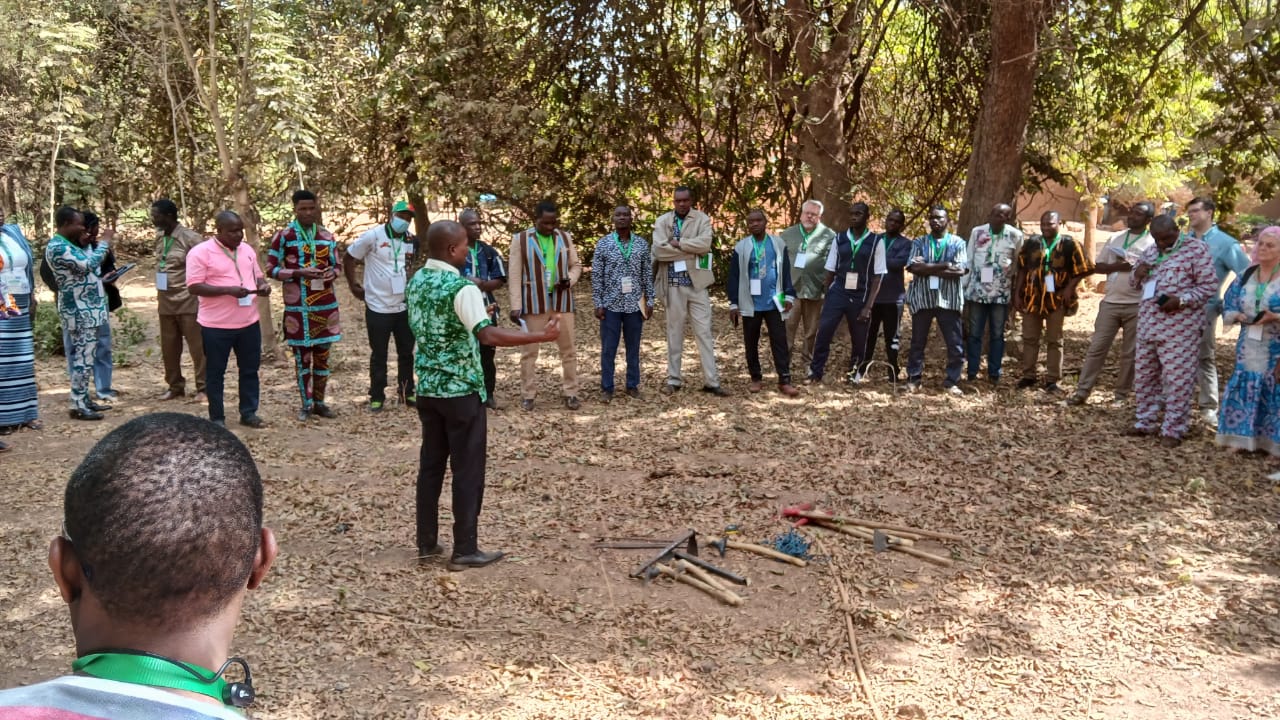
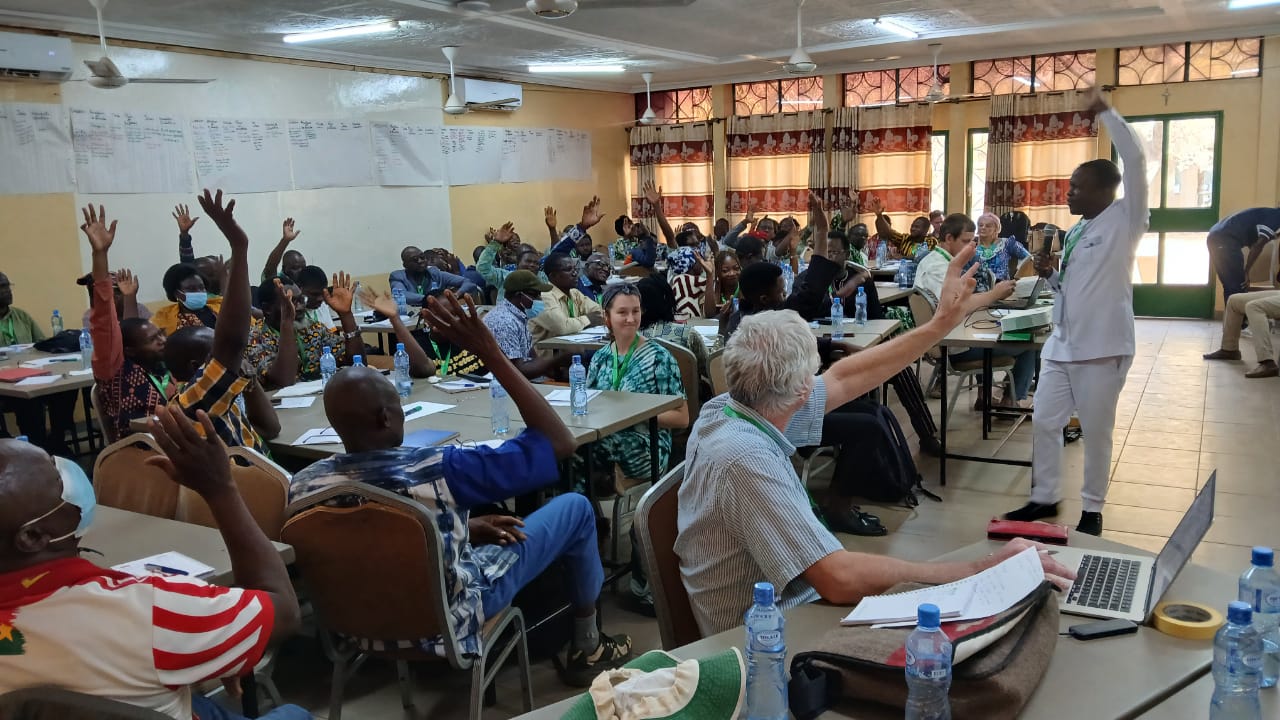
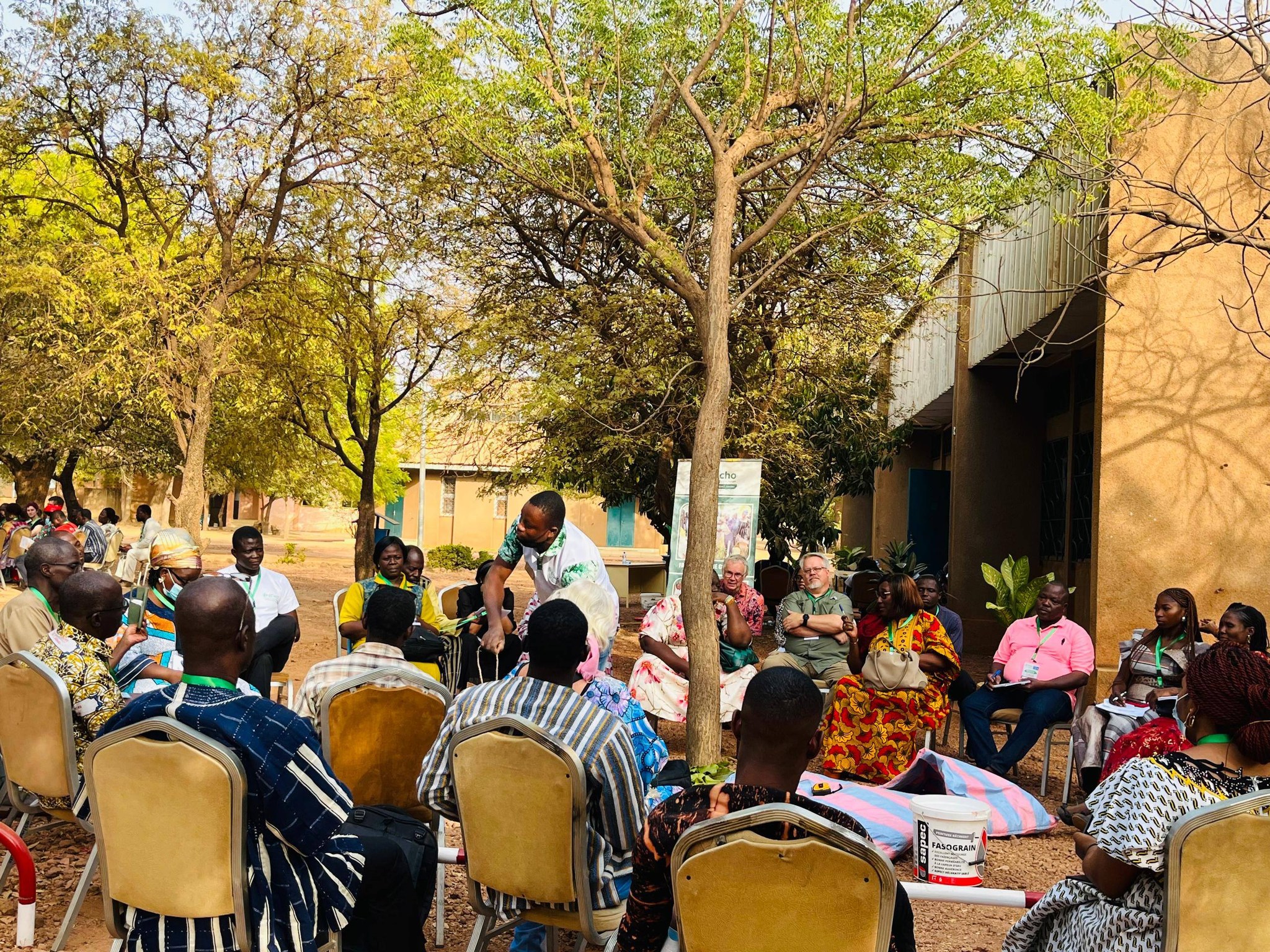
In the room that day, agroecology was not presented as a trend or ideology. It was described as a way of aligning farming with God’s design. Participants reflected on social health, seed stewardship, and community responsibility not merely as technical concerns, but as expressions of love for neighbor and faithfulness to our Creator.
Dr. Bicksler also captured this connection simply: “Agriculture is so powerful because it is a way to love our neighbors, it’s a way to care for creation, and it’s a way to build the church.”
Those words echo what ECHO has witnessed for decades. When soil is restored, families are nourished. When farming systems become more resilient, communities gain stability. When churches understand their role in stewarding land, their witness deepens in tangible ways.
What we mean by Agroecology
ECHO uses the word agroecology to describe farming that works with natural systems rather than against them. It values diversity instead of monoculture, living soil instead of chemical dependence, and local knowledge alongside scientific insight.
At its heart, agroecology reflects Creation Care in action. Soil is rebuilt with composting and mulching. Trees and crops are integrated for stability and nourishment. Seeds are saved and shared. Water is captured and conserved.
These practices require observation, patience, and humility. For farmers facing unpredictable rainfall, rising temperature, and declining soil fertility, such approaches offer a pathway toward resilience rooted in stewardship rather than short term extraction.

Creation Care and Food Security belong together
Food security is not only about producing more food. It is about producing food in ways that last. When soil erodes, harvests fail. When biodiversity disappears, crops become vulnerable, When farming systems break down, families bear the cost.
By encouraging agricultural approaches that acre for soil, water, plant diversity, and community wellbeing, ECHO and its global network address hunger at its roots. Creation Care strengthens a farmer’s ability to feed their family today while protecting the land that will feed their children tomorrow. It also helps communities adapt to climate pressures without undermining their long-term stability.
ECHO’s network spans regions, cultures, and climates, yet it is united by a shared commitment to walk alongside farmers as they care for the land God has entrusted to them. Through your partnership, farmers, churches, and local organizations continue pursuing agricultural practices that restore soil, sustain families, and reflect God’s care for creation.
As hunger and climate challenges grow more complex, the call to stewards creation with wisdom and humility becomes even more urgent. Together, we can continue nurturing land that feeds people, honors God, and holds hope for generations to come.
Join us in restoring land, strengthening communities, and reflecting God’s care for creation at https://echonet.org/give/.