Help families move from barely surviving to thriving when you join the special ECHO Thrive Team. Your monthly gift ensures life-changing trainings and resources are available. For as little as $10 a month, you can make a lasting difference. Monthly giving is a convenient way to give and show you care – with powerful results.
When the COVID-19 pandemic disrupted travel in early 2020, Tone Ma Lay from Myanmar found herself unexpectedly grounded in Thailand. What was meant to be a two-month internship at the ECHO Asia Impact Center quickly turned into a four-month stay when borders closed.
Rather than returning home early, Tone Ma Lay embraced the opportunity. She immersed herself in seed saving and seed banking training and expanded her learning into other areas of sustainable agriculture. During her time at ECHO Asia, she studied integrated pest management, biochar, and community development, while observing how ECHO equips partners to share knowledge that lasts.
Reflecting on that season, she shared,
“I am very satisfied and very happy with the internship.”
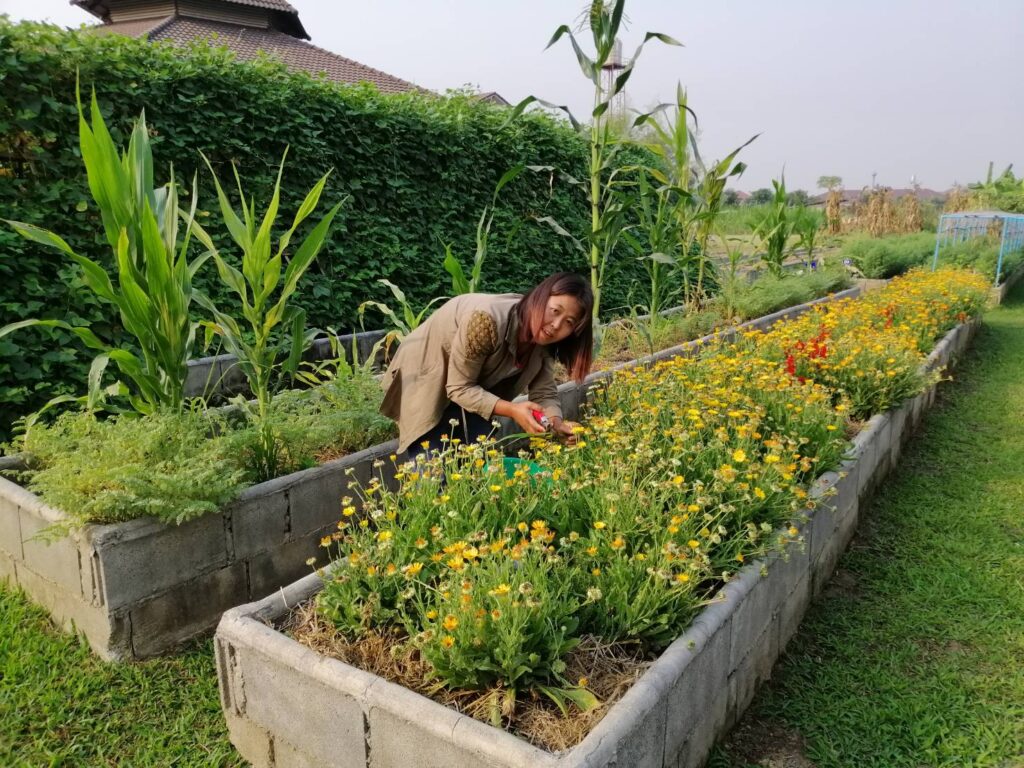
Tone Ma Lay working in the garden at ECHO Asia Impact Center in Chiang Mai, Thailand.
Returning Home to Growing Challenges
When Tone Ma Lay eventually returned to her community in Myanmar, she found that the pandemic had deepened existing challenges. Farmers were becoming increasingly dependent on expensive chemical outputs, and local crop diversity was declining. Many traditional seed varieties were being lost.
Remembering what she learned at ECHO Asia, Tone Ma Lay began gathering neighbors to share simple but powerful ideas. She explained why saving seed matters, demonstrated how to clean and store seeds properly, and encouraged others to share their own knowledge and experiences.
Soon after, the community organized a seed swap. Families brought seeds that they had saved at home and exchanged with one another. The response was clear: People cared deeply about preserving their seed heritage, and they needed a shared structure to support that goal.
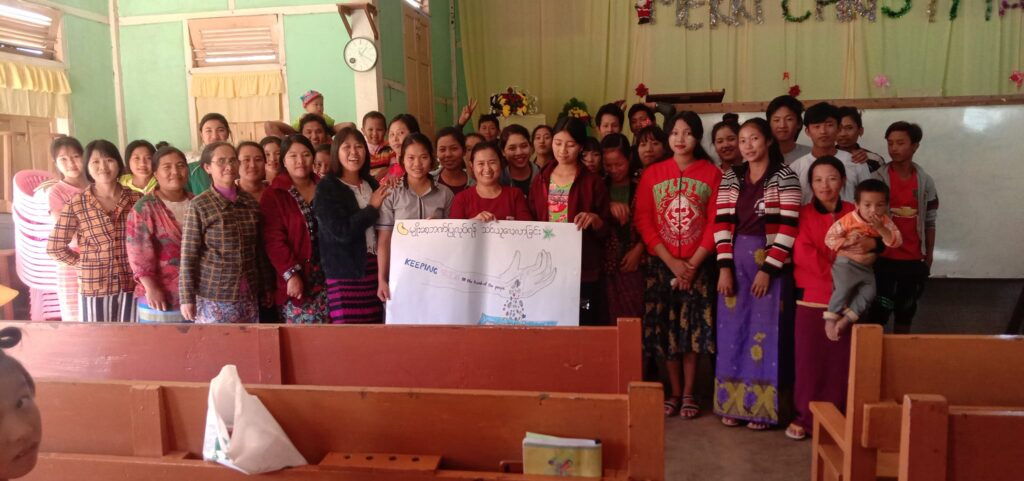
Tone Ma Lay providing a training in her community in Myanmar.
From Knowledge to Action
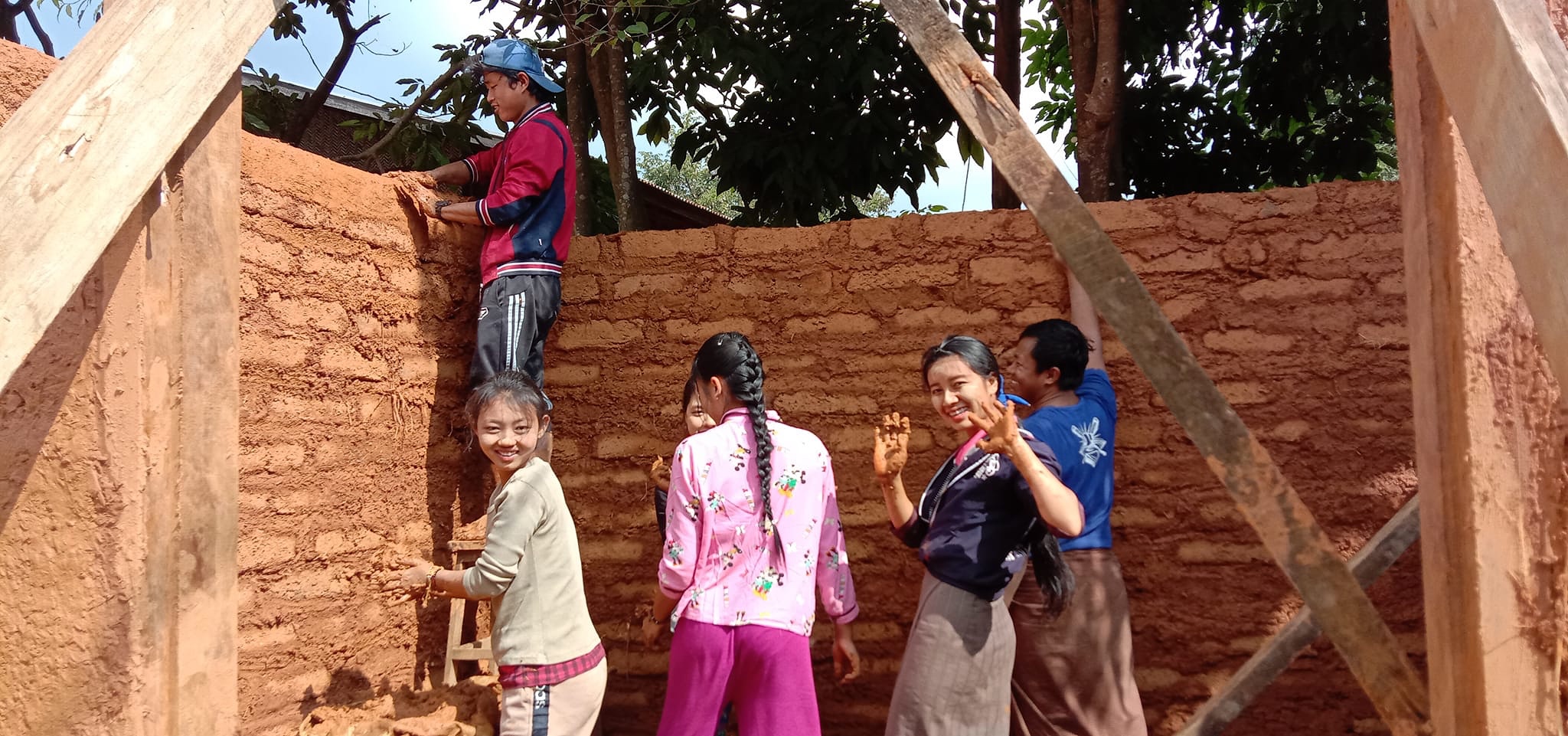
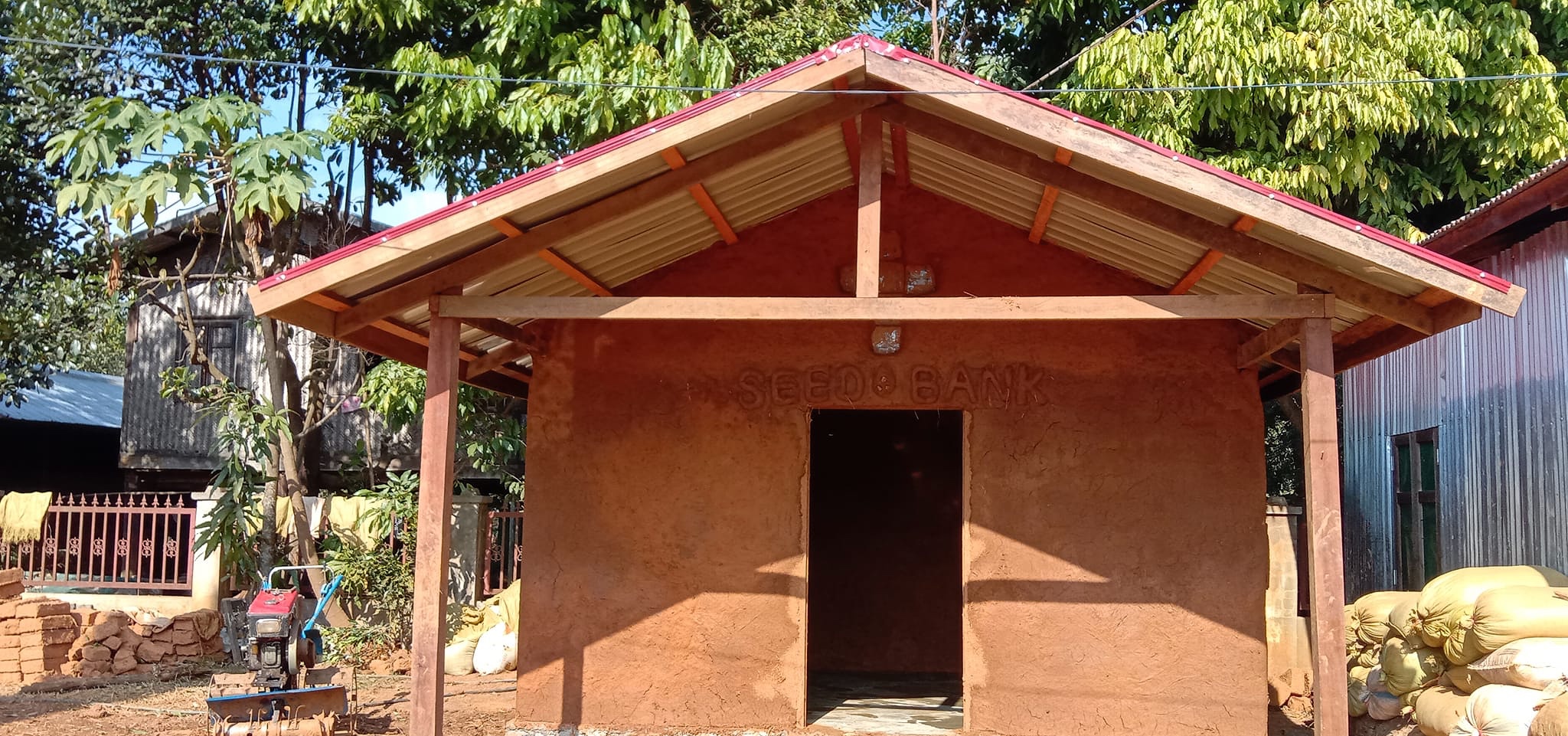
Building on that momentum, Tone Ma Lay helped lead a community effort to establish a local seed bank using practical steps she had learned at ECHO.
Together, the community identified key local crops that were important for food security and culture. They created affordable storage solutions using locally available materials. They also began regular grow outs to test seed viability and adaptability before sharing seeds more widely.
Women and youth were invited to help manage the seed bank, ensuring that knowledge and responsibility were shared across generations.
As Tone Ma Lay reflected on this journey, she said,
“[I am] receiving many different blessings from God, and one of the biggest is attending the four months internship at ECHO Asia.”
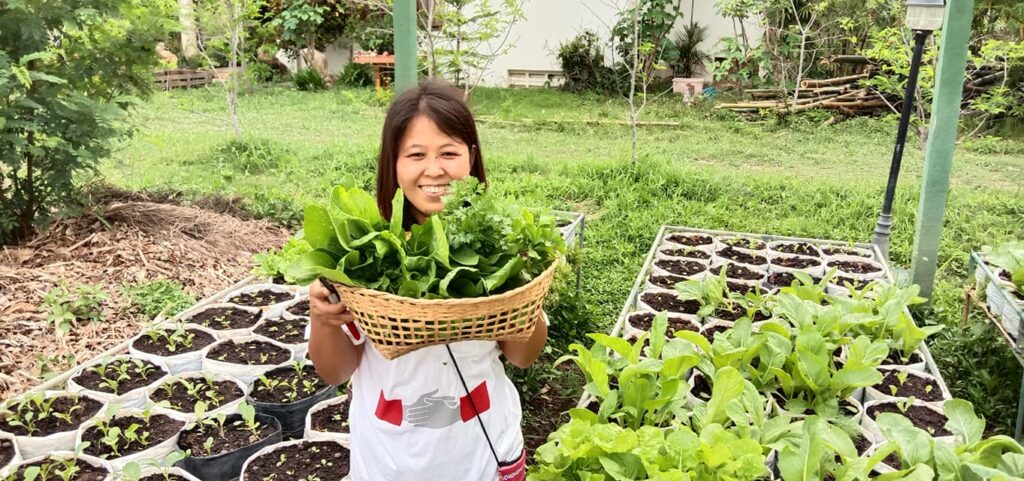
Tone Ma Lay displays a harvest from her garden in Pyio Oo Lwin, Myanmar.
A Growing Impact
Today, the seed bank serves families in the community by providing access to diverse, locally adapted seeds, along with the skills to steward them well for the future.
In March 2025, ECHO Asia returned to Myanmar to provide additional training and encouragement, building on the strong foundation that Tone Ma Lay and her neighbors had already established.
Tone Ma Lay was originally sent to ECHO Asia by the List Baptist Convention Seminary in Myanmar, where she was studying. ECHO’s long-time partner, Professor Thaung Si, has been connected with this group since 2012 and helped encourage her journey. What began as an unexpected extension of training became a pivotal season that shaped not only Tone Ma Lay’s path, but also the future of her community.
Tone Ma Lay’s journey reflects the heart of ECHO’s mission. When practical knowledge is shared with care and faith, small seeds can grow into lasting hope. What started with one intern’s willingness to learn has multiplied into a community equipped to protect its seed heritage and strengthen its food security for generations to come.
How a Community Seed Bank Took Root
When ECHO shares knowledge, it does not stop with one person. It multiples. Here are the key steps Tone Ma Lay and her community followed.
Identify local needs and key crops
The community recognized the urgent need to protect traditional seeds that were at risk of disappearing.
Design simple storage solutions
Using low-cost techniques learned at ECHO Asia, the team created storage methods suited to their local climate and resources.
Test and multiply seeds
Grow out trials helped ensure each seed variety was healthy and adaptable before being shared.
Engage the whole community
Families, women, and youth were invited to participate, building shared ownership and long-term sustainability.
Want to learn more about seed banking? Explore ECHO’s seed resources and training opportunities atECHOcommunity.org.
Ready to partner with ECHO in this important work? Join us at echonet.org/give.