






How do organizations know if their work is truly helping communities thrive?
For nonprofits working in agriculture, food security, and community development, answering that question matters deeply. Programs may reach many people, but understanding what is actually working and how communities experience change requires thoughtful reflection.
In the development world, this process is called MEAL, which stands for Monitoring, Evaluation, Accountability, and Learning. At its best, MEAL helps organizations move beyond simply reporting numbers. It supports learning, stronger relationships with communities, and wiser decisions for the future.
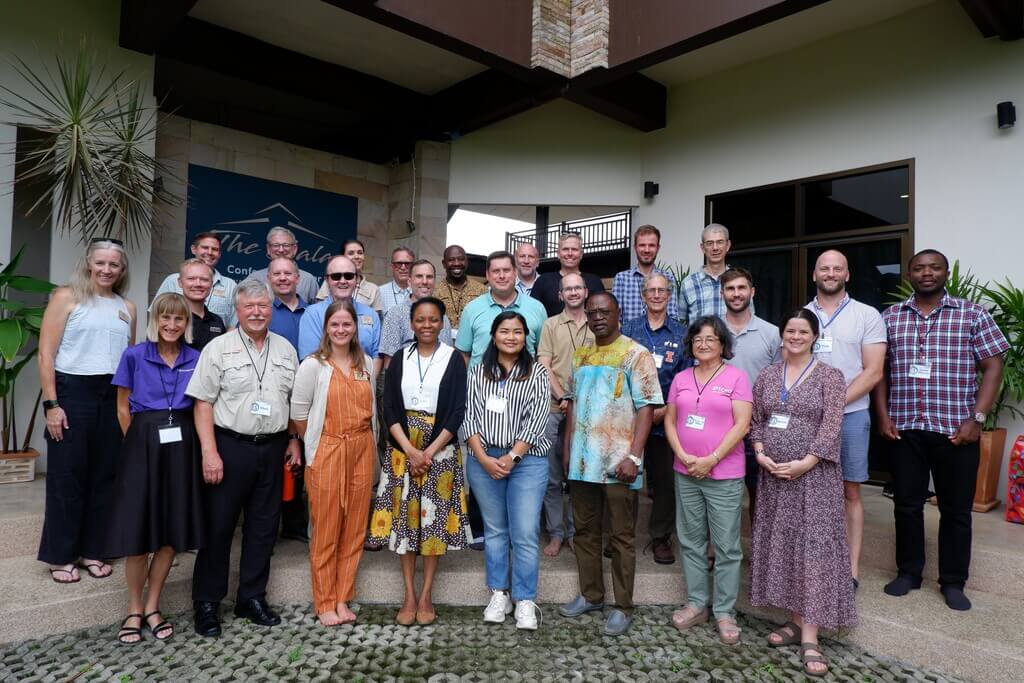
In July 2025, practitioners, researchers, and nonprofit leaders gathered at the ECHO Asia Impact Center in Chiang Mai, Thailand for the Global Holistic MEAL Symposium. Over three days, participants explored how organizations can measure meaningful change while honoring the voices and experiences of the communities they serve.
Those conversations have now been captured in the white paper:
“Cultivating Our MEAL Systems: Insights from the 2025 Global Holistic MEAL Symposium.”
Why MEAL Matters: Stewardship and Celebration
Are we the best stewards of the resources entrusted to us? Organizations rarely question the importance of financial accountability. In the same way, reflecting carefully on programs helps ensure that time, funding, and relationships are used wisely.
Strong monitoring, evaluation, and learning systems help organizations examine their work, learn from experience, and continually improve.
But MEAL is not only about accountability.
It is also about celebration.
When organizations pause to observe outcomes and listen to the stories emerging from communities, they gain a clearer picture of how their work is contributing to these changes. These moments allow teams and partners to recognize transformation and give glory back to God.
Through thoughtful MEAL practices, organizations can illuminate the outcomes of their work and more clearly see what God is doing through many people working together.
Four Priorities for Stronger MEAL Systems
The symposium explored what this kind of faithful stewardship can look like in practice. Participants identified four priorities that can help organizations build stronger, more holistic MEAL systems.
Making Learning Part of the Organization
Effective MEAL systems are not simply reporting tools. They are most valuable when they are woven into an organization’s culture, strategy, and everyday work.
When leadership treats learning as a core part of the mission, teams are more likely to reflect regularly, adapt programs based on evidence, and celebrate progress. The white paper also notes that strong learning systems require intentional investment, with many organizations recommending five to ten percent of program budgets be dedicated to monitoring and evaluation activities.
Strengthening How We Measure Impact
Strong MEAL systems balance credible data with practical implementation. Symposium participants emphasized the importance of combining quantitative indicators with qualitative insights, ensuring that measurement captures both measurable change and the lived experiences of communities.
Clear indicators, simplified metrics, and thoughtful data practices based on a foundational Theory of Change help organizations generate evidence that is both reliable and meaningful.
Deepening Relationships with Communities and Partners
Holistic MEAL approaches view communities and donors as partners in learning rather than passive participants.
This can include co-creating indicators with communities, sharing findings in accessible ways, and maintaining ongoing dialogue with funding partners. These practices strengthen trust while ensuring that programs reflect the priorities and knowledge of those most closely connected to the work.
Building Systems That Last
Finally, resilient MEAL systems must be able to withstand challenges such as staff transitions, funding changes, or unexpected crises.
Organizations can strengthen resilience by preserving institutional knowledge, developing shared tools and processes, and building partnerships across organizations and sectors. These practices help ensure that learning continues even during times of disruption.
Looking Ahead
The white paper represents a collaborative effort among practitioners, researchers, and development organizations who participated in the symposium. Together they explored how organizations can strengthen learning systems while honoring the dignity and knowledge of the communities involved.
Across the ECHO network and beyond, this conversation continues. Thoughtful measurement and learning help organizations strengthen programs, deepen partnerships, and support communities working toward healthier and more resilient futures.
To explore the insights from the symposium: