Author: Abbie West

Hands-On Outreach

The Hope of a New Business

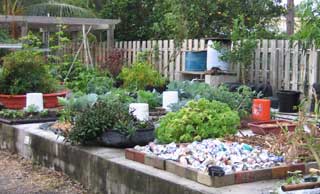
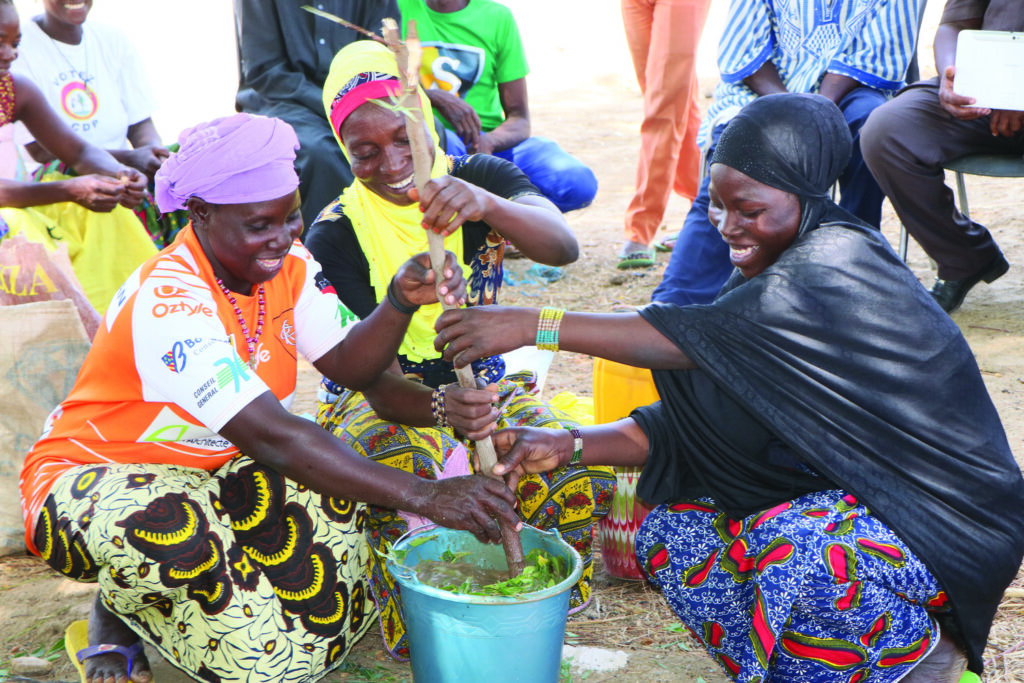
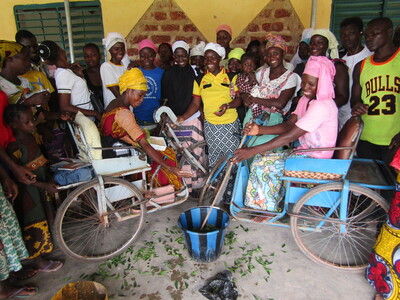
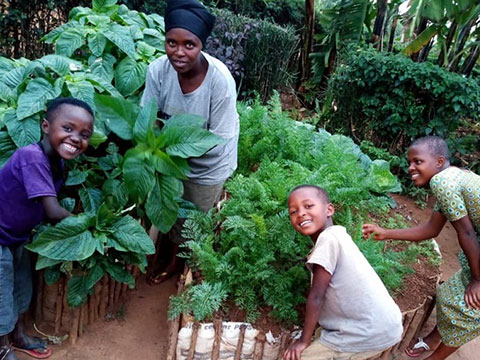
In Dédougou, trainings in market gardening inspired women to work together to earn extra income by producing and selling tomato paste made from the produce from their gardens. Madame Traoré, a pastor’s wife, learned about tomato paste and above-ground gardening and is helping her family and neighbors improve their nutrition.

Today, she trains women in her community and sells her tomato paste throughout the western region of Burkina Faso. She also shares the gospel to those she trains. Her income has increased, and she is happy to contribute to the development of women.

Life-changing Trainings

Terrorism, extreme weather, poverty, and historically poor land management leave West African farmers at a constant disadvantage.

However, in the midst of these trials, hope is shining through!

ECHO West Africa training teams have equipped over 3,392 men and women with practical agricultural skills that they can implement immediately to greatly improve harvests.

Internally displaced people groups, living in temporary camps and in desperate need, are being equipped with gardening skills to grow food in small spaces.

From Failing to Successful Gardens 

ECHO recently partnered with a local NGO to provide 10-day trainings for 564 people. These trainings in market gardening techniques and entrepreneurship are helping families improve their gardening production and boost their incomes.

Abigaelle Kini was one of the women trained. She and her husband have a small plot of land that they were farming, but they kept trying and failing, never quite knowing how to make it successful.

“After the training with ECHO, I learned how to make natural products to eradicate the worms from my garden,“ said Abigaelle. “My husband and I are teaching our children all that we have learned.”

Equipping to Multiply

ECHO‘s East Africa trainers connect with family farmers through community group and school trainings, radio broadcasts, agricultural fairs, and farmer field schools.

When borders closed due to COVID-19 restrictions, trainers took another look at communities within Arusha City and saw existing groups that would benefit from and multiply ECHO knowledge. Youth committees, savings cooperatives, women’s groups, and secondary schools learned about the nutrients available in perennial vegetables and the benefits of urban gardens.

“For me, this training has been an eye-opening experience. I am thankful that the training has come just right in time when we need it most, “ shared Mama Abdul from Arusha. 

Creating Future Incomes

Appropriate technology and creative capacity building have equipped innovators to solve problems in their own villages leading to the creation of ongoing small businesses and custom, innovative farm implements.

Healthy Hillsides Support Healthy Crops

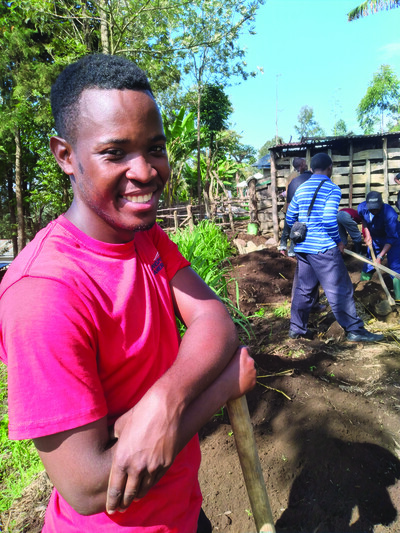
Tree seedlings and contour ditches in hillsides are investments in a healthy future! The team in East Africa has helped farmers cooperatively dig thousands of meters of erosion control contours and planted more than 24,000 indigenous seedlings to conserve precious hillsides. These hills are at risk of severe erosion leading to decreased soil nutrients and agricultural loss.

The team in East Africa has helped farmers cooperatively dig thousands of meters of erosion control contours and planted more than 24,000 indigenous seedlings to conserve precious hillsides. These hills are at risk of severe erosion leading to decreased soil nutrients and agricultural loss.

Simple Solution, Life-Changing Result

While Thailand is a peaceful country, neighboring regions have been challenged by civil war and violence. Internally displaced people live in long-term camps without access to many basic sanitation options. The ECHO Asia team realized that one of the most effective ways they could serve those struggling with contaminated drinking water was to teach and multiply the knowledge of simple biosand water filters.

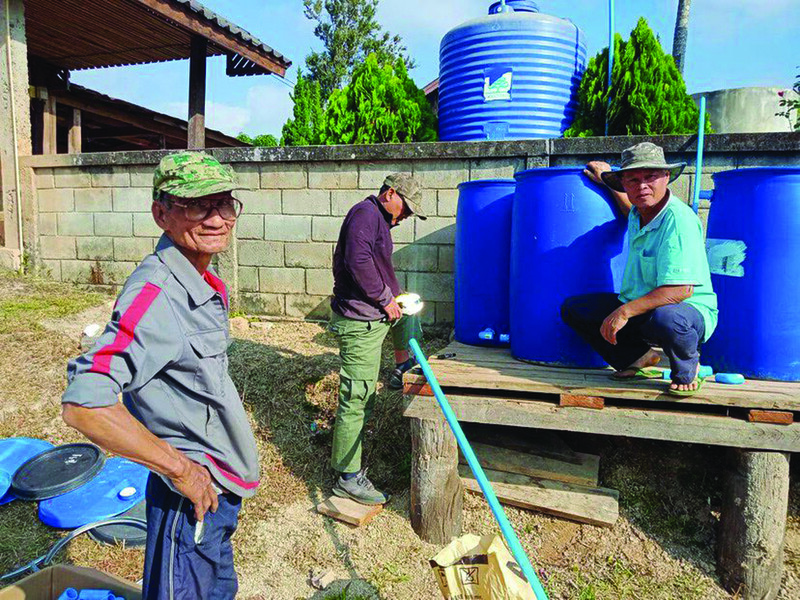
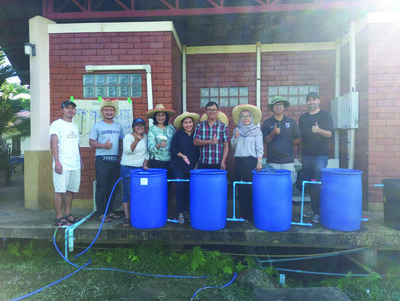
Still limited by COVID protocols, the ECHO Asia team conducted a workshop that taught the principles and practices that participants would need to know to build their own 300-liter affordable biosand water filters. Again, the technology is the mechanism, but the real impact is evident in the lives of the people. Shortly after the training concluded, ECHO Asia trainers received an email with a simple message: “You trained us well and now we are blessing many people near the Myanmar border!”

One man, trained at ECHO’s small farm resource center in Chiang Mai, returned home and gathered men from his village. Together they constructed a 300-liter water filtration system from locally available resources and installed it in a few days. Through their work, a brand-new biosand water filter is providing clean water to a rural village in northern Thailand for villagers and refugees alike. 

This is the power of the ECHO effect. Your support helps to multiply one training into many other trainings — through those we train sharing what they learned — and many people benefit.

Seed Saving: Not Just a Tradition

By: Makenzi Johnson

In 1981, Dr. Martin Price saw that there was a lack of access to seeds of underutilized tropical food plants, a need that was already felt all over the world by small-scale farmers. To meet this need, the first ECHO Seed Bank was born. Forty years later, providing seeds of underutilized and neglected crops to small-scale farmers, development workers, and missionaries has remained one of ECHO’s main priorities.

What started as a humble collection of seeds on ECHO’s campus in Florida, has grown into a worldwide source of impact.

The first intern Dr. Price selected after he arrived at ECHO was Elise Hansen Tripp. She shared the bottom floor of an A-frame house with an office and a start at a collection of relevant books. Seeds that were little known at the time were collected and grown on the original five-acre property. Dr. Price, his wife Bonnie, and Tripp started storing seeds in Tripp’s refrigerator, which was the first Seed Bank. Only the three of them were there to sort and store the first varieties of seed by hand, but they made it work.

“I remember harvesting the seeds and putting them into envelopes,” Tripp said. “We talked about how to store seeds well, and that ‘we’re going to need some seed storage in the future.’”

In the late 1990s, the Seed Bank was growing to be too large for the refrigerator in the A-frame. A donation made it possible for ECHO to receive a larger capacity refrigerated storage container to properly house the seeds.

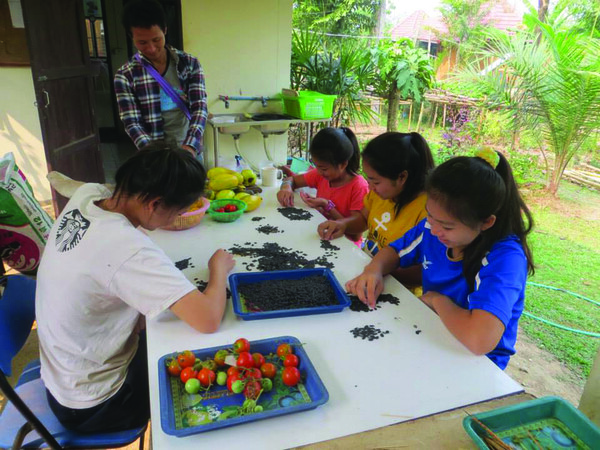
A climate-controlled area is one of the factors in storage that help best preserve the thousands of seeds ECHO holds. Other factors include pest control, appropriate containers, and annual germination testing. ECHO’s storage facilities are kept at 45 degrees Fahrenheit with 45% humidity, airtight containers are used for the storage of seeds, and germination testing is done annually to determine if a specific batch of seeds is still able to be used and sent out.

In 2002, ECHO purchased a neighboring property and acquired the garage that has now become the Seed Bank. The storage container was attached to the garage, making space for seed packaging and offices.

Forty years from the first Seed Bank, staff and volunteers are still sorting seeds by hand to carefully preserve, package, and send them out throughout the world. A large walk-in refrigerator, a processing and packing room, and more office space allow for ECHO to do more with seed banking training, dozens of volunteer sorters, and germination testing.

ECHO now also has regional seed banks which act as genetic banks for many varieties of underutilized seeds, depending on what seeds are appropriate for the geographical area. Each year, development workers can request ten packets of seeds for free. The ten packets help farmers test out the various crops, and those seeds bring substantial change.

“People have received one seed packet of moringa with just ten seeds, and that crop spreads throughout the community just from the one seed packet… it’s a small thing that has a huge impact,” Holly Sobetski, ECHO’s Florida Seed Bank manager, said.

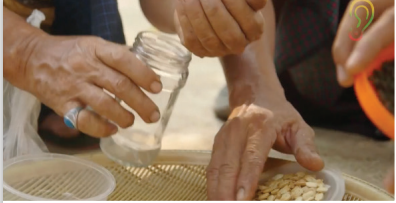
Seed saving is taught so farmers can store their own seeds while being able to control pests and increase the viability of their seeds for future planting seasons.

“We want them to be self-sufficient and sustainable,” Sobetski said, “as much as we can teach people how to do this on their own, it’s going to help them.”

ECHO seed banks have been around for 40 years and have grown to meet the needs of those it serves. Across cultures and continents, the mission and goal of the seed banks have remained the same — to preserve seeds of underutilized crops for the benefit of small-scale farmers.

With improved seed saving, a farmer can improve their health and nutrition, increase their profit at the market, and ultimately increase their livelihood for years to come.
Equipping Farmers in North Africa

By: Makenzi Johnson

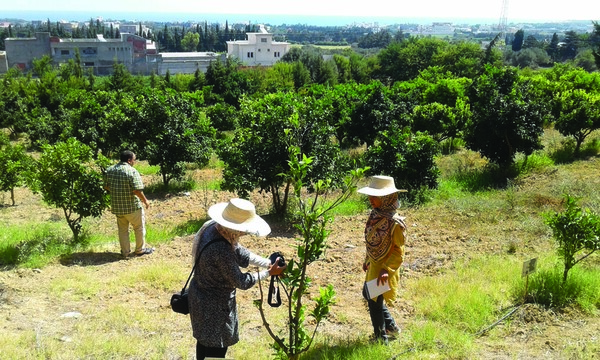
For years after first hearing about ECHO from a friend, Kimberly Duncan went through life with the thought of the ECHO internship in the back of her mind. She was looking for a program that would give her hands-on training and the practical skills in agriculture she was looking to take abroad to a field of service.

Ten long years after having completed her bachelor’s degree, Duncan volunteered as a resident student researcher at ECHO serving for two weeks and applied for the year-long internship afterward. Duncan was accepted and became the urban garden intern in the fall of 2009.

ECHO trainings proved to be exactly what she was looking for, and Duncan was given daily opportunities to roll up her sleeves and get her hands dirty.

“It was always interactive; the staff was willing to let you experiment and try things even if it meant possibly messing something up,” Duncan said. “ECHO taught me to be less afraid of failure.”

Now Duncan is in North Africa working with an agricultural organization to encourage farming families with a more practical understanding of their assets. She works with families struggling with soil degradation who lack regular access to resources, seeds, water, and training. Over and over again, she emphasizes that the confidence that she gained during her internship at ECHO impacts how she approaches her work now.

Regularly, Duncan is interacting with teams of students and farmers. She reflects on how ECHO’s community and the network have shown her the importance of supporting each other and sharing ideas.

“For myself and a lot of my American colleagues, we can be tempted to think in a very autonomous way. We might believe that we can do things on our own and don’t need help,” Duncan said. “And while independence is valuable, you need a community to better serve one another… it makes you 100 times stronger than if you are on your own.”

ECHO’s network has been a constant encouragement for Duncan during her four years of working in North Africa. Because of her time at ECHO, Duncan gained more knowledge and practical experience than she could have ever hoped for.

“ECHO’s approach is to help build capacity in the people with whom they partner,” Duncan said. “ECHO cares about encouraging and sharing hope with others, and I continue to use them as a model here where I work day-to-day.”

Inspiring seed banks in Myanmar

By: Joan CooperRusek

The enriching and life-sustaining impact ECHO has on people’s lives reverberates throughout the world. The knowledge, training, and resources provided at just one workshop through ECHO Asia and its partners in one Southeast Asian nation are helping to improve the success of farmers across the region. In one particular instance, ECHO tools and training were implemented to sustain the lives of 300 orphans in a neighboring country.

Youthful Myanmar farmer Saw Shiesho speaks with the poise and wisdom of someone twice his age. Interviewed at just 19 years old, his great enthusiasm and thirst for knowledge for his mission clearly shine through. He became a farmer at age 17 and works the land at Full Moon, an orphanage to the north of Yangon, one of the region’s larger cities. He starts his day at 6 a.m. and tends to the plants by hand, watering, fertilizing, and harvesting. In the evening, he again waters the crops using a hose and system of connected pipes leading to a well.

“In general, young people in Myanmar are not that interested in working in agriculture,” he laments. “But I am. I want to improve the way farming is done here. It is my mission.”

Saw recognizes the benefit of improving both the quality and the quantity of the food and is very proud that they use organic fertilizers such as leaf compost, animal manure, and lime along with natural pesticides, such as chilies, ginger, and galangal, a spicy root plant.

“Chemicals can have side effects and are not good for people,” he explained. By Joan CooperRusek ECHO News 3 Summer 2022 The Full Moon farm has the primary purpose of feeding approximately 300 needy children living at the orphanage there. Good harvests producing extra crops are sold at the local market and provide income and revenue opportunities.

Saw had the opportunity to attend a program presented by ECHO Asia in neighboring Thailand in the fall of 2019. He brought back and enthusiastically applied his new knowledge and skills to the farm at Full Moon.

“ECHO taught us new methods to improve our farm and how to build a seed bank,” he said. “It will have 200 kinds of seeds we will use on the farm to grow crops.”

The seed bank storage facility was constructed of bamboo and insulated with mud to reduce the impact of the local climate’s heat and humidity.

“We should have air-conditioning, but we do not have the funds for that,” he explained.

He said initially the farm is keeping and storing all the seeds it receives in their seed bank, but, they will be able to share them with others in the future and pass along the knowledge and skills they learned at the ECHO Asia Small Farm Resource Center.

The orphanage is situated on a 70-acre farm in Phugyi Village in Hmawbi Township. The orphanage is part of the Lapyiwun Children Development Family (LCDF), which began caring for about 80 children affected by landslides and conflicts in the Mon State and Karen State regions of Myanmar in 1998. Two years later it moved to its current location. In 2002 LCDF was one of the first children’s homes in Yangon to receive government approval and registration.

Full Moon was founded by U Ba Hla Tin Htoo, who developed the land for growing food and raising livestock to achieve self-sufficiency ,and teach life skills to the orphaned children. A demonstration farm established later provides tourism opportunities for others to visit. Full Moon also implements programs in the orphaned children’s former villages and it works with them on projects to boost economic opportunities and create jobs.

ECHO Asia’s relationship with Full Moon dates back prior to May 2017, when Full Moon staff attended a work-study trip to the ECHO Asia Seed Bank in Mae Ai, Thailand. Since then, ECHO Asia representatives have visited the farm and provided training, support and ongoing consultations. Three Full Moon staff members completed a one-week intensive internship at the ECHO Asia Small Farm Resource Center in Chiang Mai, Thailand and brought that training home to share with their colleagues.

In working through our partners the ECHO Asia team has helped the people of Myanmar during some difficult years by providing encouragement, training, equipment, and resources such as seeds and cuttings for plant propagation. What began with one workshop held in Thailand has continued to bring needed knowledge and resources to Full Moon orphanage years later. The children there not only benefit from the increased harvest, but also the knowledge they can take with them into adulthood for continued success.

Ministry Among Marginalized People

July through September is when farmers are busy in their fields as rainfall has started well throughout the West African region. There were floods in some countries such as in Côte d’Ivoire, Burkina and Mali. We then had pockets of drought in certain parts of the region. But in general, the rainy season looked pretty good.

Three Job Booster trainings were hosted this summer in Burkina Faso, equipping 150 people under the age of 35. Trainees selected for these trainings focused on vulnerable populations, internally displaced people, and those with disabilities.

Ultimately, the objective of this training is to enable these young people to improve their living conditions through a gainful activity.

Overheard at the seminar… “It is important for me to put into practice the techniques learned because I know that it is the only solution for us to avoid starvation in our family. As you know, we have poor soils, and we have no money to buy chemical fertilizer. So, I can say that the training received is a godsend for us. I am confident that we will be able to eat our fill now, without spending money, thanks to these new techniques,” shared Sandrine of Burkina Faso.


More Yield with Fewer Inputs: Experiences from West Africa

Partnerships in West Africa are reaching farmers across Benin, Togo, Guinea, Mali, and Burkina Faso with techniques to lessen chemical inputs while increasing crop yields.

For the past eight months, ECHO West Africa has partnered with Alliance World Fellowship (AWF) and CAMA Services in training more than 500 people in eight different countries to support themselves by using Foundations for Farming. Thanks to you, hundreds in Africa have learned how to utilize sustainable farming practices, how to take better care of their environment, and about the relationship they can have with God.

Responding to Food and Fertilizer Shortages

Reuters reports that in mid-2022 nearly 346 million Africans were enduring extreme levels of food insecurity due to import challenges from the war in Ukraine coupled with rising food costs, long-term droughts, armed conflicts, and terrorist attacks, Farmers have been hit especially hard as grains and commercial fertilizers have become increasingly difficult to access.

Through Biblically based agricultural principles, participants learn how not only to generate profitable results for the current and coming years, but also to restore and conserve their land while spending less on inputs. The goal was to show each participant how God Himself was the first farmer and that by working in ways that honor Him, we may better steward and harvest that which He has already blessed us with.

“This field that you see is the result of your teaching,” shared Mr. Pare Desire. “I have been farming this field for several years, but it has never looked this good. The training I received in making compost and liquid fertilizer, as well as support with seeds, are the secrets of this improvement.”

He continued: “I put into practice what I learned and you see the results. My work is done and I look forward to the harvest. Last year, I was able to obtain about 40 kg of grain from this field, but this year I expect to double the harvest.” Later, Mr. Pare reported that his harvest was 200 kg of corn from the 0.25-hectare field! This fourfold improvement came despite an extended drought experienced by the village.

Equipping Others

From April through July, hundreds in countries such as Guinea, Côte d’Ivoire, Liberia, Mali, Togo, Burkina Faso, and more learned the tangible skills needed for making their own compost, fertilizer, and biopesticides. Further lessons were taught on raising poultry, growing moringa, and more. Participants also had the opportunity to learn about the many different aspects of trade such as buying and selling, supply and demand, customers and competitors, as well as selling quality products.

Throughout all of this, an emphasis was placed on doing things on time, with a high standard, without waste, and in step with the Spirit.

Seeing Seeds Sprout

Since the conclusion of these trainings, the three partner organizations have received many encouraging testimonies. At the end of each of the trainings, participants were tasked with sharing what they had learned with three others back home. ECHO has found that on average, nearly 10 additional people per participant have come to learn about these valuable techniques. Isaac, a participant in Guinea, said, “With the acquired training, we plan to improve our techniques to increase crop performance.” Jean, another participant in Guinea, said, “May God bless you richly for organizing this training. It is the best practical training I have ever attended.”

Help Us Continue the Work

Through your support, work has been done to not only restore the health and livelihoods of African farmers, but to also plant seeds and share holistic restoration in both their communities and environments. Join us to provide trainings in additional countries in throughout 2023.

Community-Level Techniques Work to Meet Global Goals

A recent report from the United Nations highlights progress made toward the 2030 sustainable development goals and calls for accelerated global action to ensure safe drinking-water, sanitation and hygiene for all.

Urgent action is needed globally and locally to achieve safe and sustainably managed water, sanitation and hygiene for all in order to prevent devastating impacts on the health of millions of people. Findings from World Health Organization and United Nations show that acceleration is needed in many countries to achieve Sustainable Development Goal 6 – clean water and sanitation for all by 2030. The goal seeks to “Ensure [the] availability and sustainable management of water and sanitation for all,” with six outcome targets on the broader water sector including WASH.

Findings from World Health Organization and United Nations show that acceleration is needed in many countries to achieve Sustainable Development Goal 6 – water and sanitation for all by 2030

SDG goals are broken into targets. Target, 6.a says: By 2030, expand international cooperation and capacity-building support to developing countries in water- and sanitation-related activities and programs, including water harvesting, desalination, water efficiency, wastewater treatment, recycling and reuse technologies. Target 6.b states: support and strengthen the participation of local communities in improving water and sanitation management. While 45% of countries are on track to achieve their nationally-defined drinking-water coverage targets, only 25% of countries are on track to achieve their national sanitation targets. Less than a third of countries reported to have sufficient human resources required to carry out key drinking-water, sanitation and hygiene (WASH) functions. While progress is being made on global fronts, ECHO trainers in East Africa and Thailand are working to help eliminate this problem at the household level by using biosand and biochar water filters. Proven over the years, this technology can effectively provide safe drinking water to the household. It works by filtering impurities through a natural biological layer and then layers of sand, pebbles and stone. The biosand filter can be made using local materials and is a low-cost system that removes suspended sediments and other impurities from water in order to make it safer for human consumption. The result is clean water for drinking for domestic use. This bottom-up approach will complement and help communities work together to achieve national and global goals. “We are facing an urgent crisis: poor access to safe drinking water, sanitation and hygiene claim millions of lives each year, while the increasing frequency and intensity of climate-related extreme weather events continue to hamper the delivery of safe WASH services,” said Dr Tedros Adhanom Ghebreyesus, WHO Director-General. “We call on governments and development partners to strengthen WASH systems and dramatically increase investment to extend access to safely managed drinking water and sanitation services to all by 2030, beginning with the most vulnerable.” To access a collection of water, sanitation, and hygiene resources, or plans to build the bio-sand filter on ECHOcommunity, visit http://edn.link/water.

Gardening in a Temporary Place

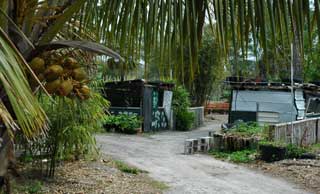
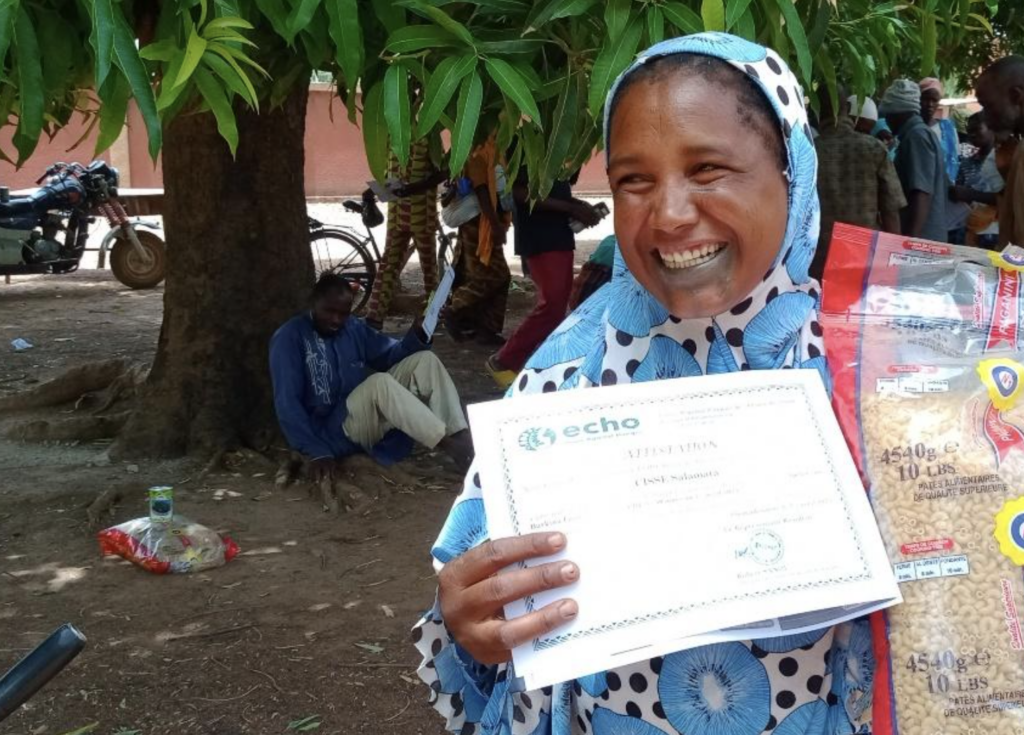
Not far from the ‘tent city’ where she is staying, Salamata Cisse stands behind her certificate with a huge smile. Without many reasons to hope, she believes that providing for her family through new small-scale gardening skills gives them a future regardless of their challenging temporary home.

Salamata is one of more than 1.9 million people who have been internally displaced in the last five years across Burkina Faso. Every day, people flee conflict and disasters, becoming displaced inside their own countries. Some cross borders to become refugees. This internal movement in Burkina Faso has become a challenge to many communities. Families arrive in a neighboring region with few resources and fewer options.

“Too often, displacement and hunger come as a one-two punch,” said Hassane Hamadou, Country Director of the Norwegian Refugee Council. “People forced to move have left behind their fields and livestock. Many displaced families report being down to one meal a day. Recent waves of displacement only heighten the urgency to act.”

Despite immense challenges to provide shelter, water, healthcare, and education among other essential services, communities have rallied to support each other.

According to the United Nations, out of Burkina Faso’s 20 million citizens, more than 2.8 million people are food insecure, and this number is expected to rise significantly over the coming months as the country braces for a longer dry season.

Salamata and the Ipelce community still have many needs, but for the 54 families trained, hope is a game-changer. Salamata shared, “I didn’t know that I had so many options to grow food in our space. This will mean the world to us.”