


Author: Erica Calhoun

Cultivating Better MEAL Systems: Insights from a Global Gathering

How do organizations know if their work is truly helping communities thrive?

For nonprofits working in agriculture, food security, and community development, answering that question matters deeply. Programs may reach many people, but understanding what is actually working and how communities experience change requires thoughtful reflection.

In the development world, this process is called MEAL, which stands for Monitoring, Evaluation, Accountability, and Learning. At its best, MEAL helps organizations move beyond simply reporting numbers. It supports learning, stronger relationships with communities, and wiser decisions for the future. 

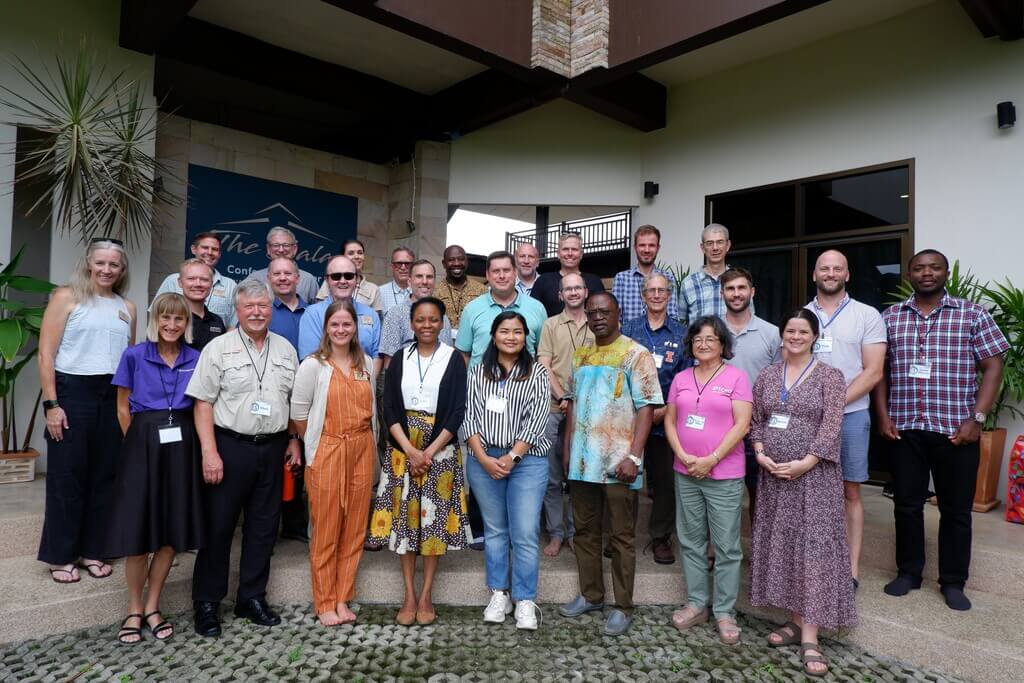
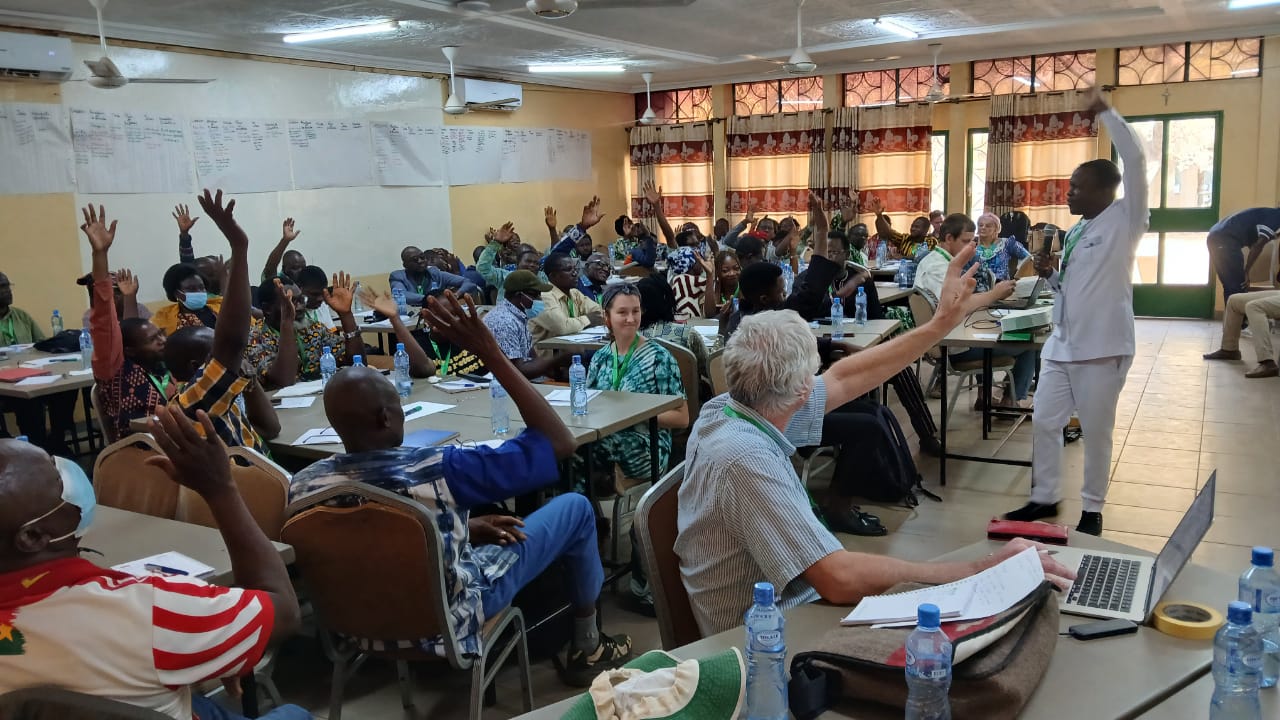
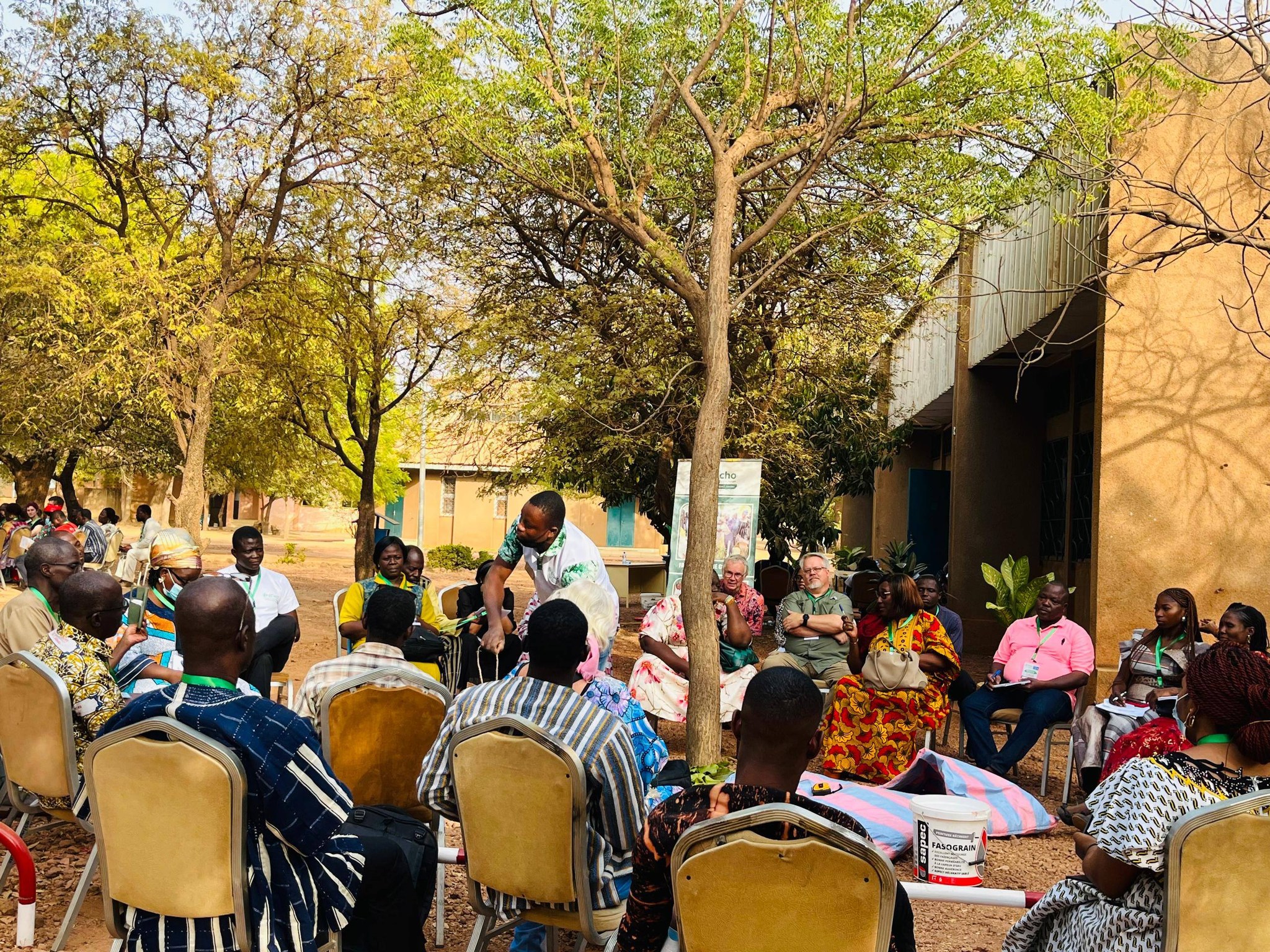
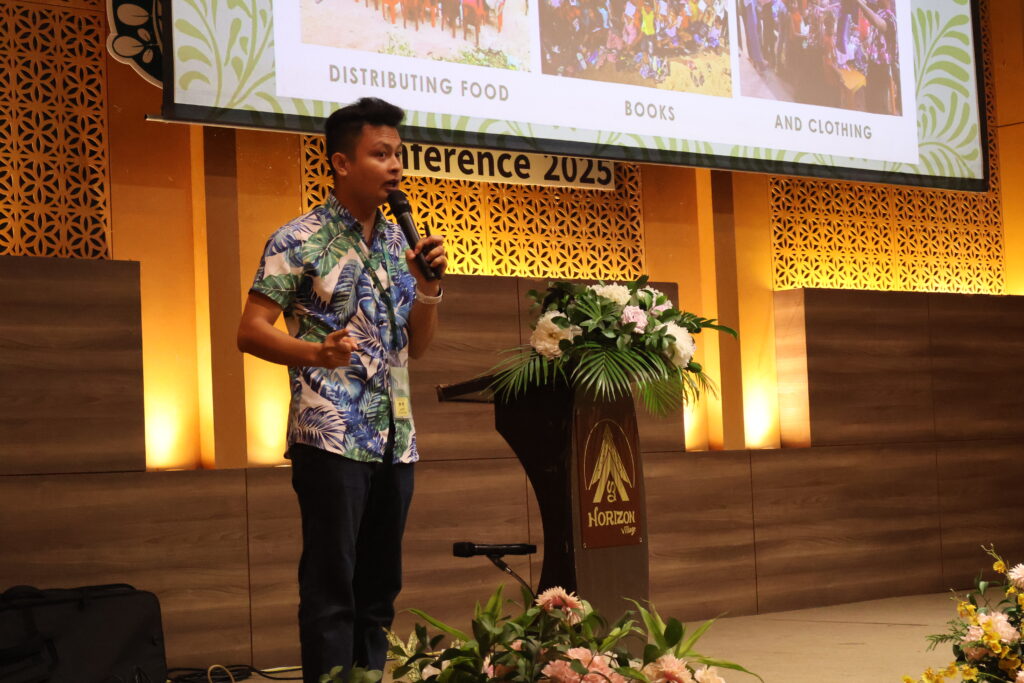
In July 2025, practitioners, researchers, and nonprofit leaders gathered at the ECHO Asia Impact Center in Chiang Mai, Thailand for the Global Holistic MEAL Symposium. Over three days, participants explored how organizations can measure meaningful change while honoring the voices and experiences of the communities they serve. 

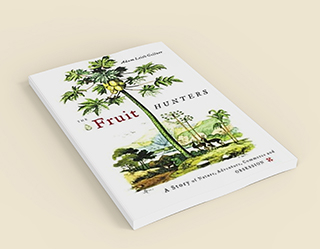
Those conversations have now been captured in the white paper:

“Cultivating Our MEAL Systems: Insights from the 2025 Global Holistic MEAL Symposium.”

Why MEAL Matters: Stewardship and Celebration

At ECHO, MEAL is closely connected to the idea of stewardship.

Are we the best stewards of the resources entrusted to us? Organizations rarely question the importance of financial accountability. In the same way, reflecting carefully on programs helps ensure that time, funding, and relationships are used wisely.

Strong monitoring, evaluation, and learning systems help organizations examine their work, learn from experience, and continually improve. 

But MEAL is not only about accountability.

It is also about celebration.

When organizations pause to observe outcomes and listen to the stories emerging from communities, they gain a clearer picture of how their work is contributing to these changes. These moments allow teams and partners to recognize transformation and give glory back to God. 

Through thoughtful MEAL practices, organizations can illuminate the outcomes of their work and more clearly see what God is doing through many people working together. 

Four Priorities for Stronger MEAL Systems

The symposium explored what this kind of faithful stewardship can look like in practice. Participants identified four priorities that can help organizations build stronger, more holistic MEAL systems.  

Making Learning Part of the Organization

Effective MEAL systems are not simply reporting tools. They are most valuable when they are woven into an organization’s culture, strategy, and everyday work. 

When leadership treats learning as a core part of the mission, teams are more likely to reflect regularly, adapt programs based on evidence, and celebrate progress. The white paper also notes that strong learning systems require intentional investment, with many organizations recommending five to ten percent of program budgets be dedicated to monitoring and evaluation activities.  

Strengthening How We Measure Impact

Strong MEAL systems balance credible data with practical implementation. Symposium participants emphasized the importance of combining quantitative indicators with qualitative insights, ensuring that measurement captures both measurable change and the lived experiences of communities. 

Clear indicators, simplified metrics, and thoughtful data practices based on a foundational Theory of Change help organizations generate evidence that is both reliable and meaningful. 

Deepening Relationships with Communities and Partners

Holistic MEAL approaches view communities and donors as partners in learning rather than passive participants. 

This can include co-creating indicators with communities, sharing findings in accessible ways, and maintaining ongoing dialogue with funding partners. These practices strengthen trust while ensuring that programs reflect the priorities and knowledge of those most closely connected to the work. 

Building Systems That Last

Finally, resilient MEAL systems must be able to withstand challenges such as staff transitions, funding changes, or unexpected crises. 

Organizations can strengthen resilience by preserving institutional knowledge, developing shared tools and processes, and building partnerships across organizations and sectors. These practices help ensure that learning continues even during times of disruption.

Looking Ahead

The white paper represents a collaborative effort among practitioners, researchers, and development organizations who participated in the symposium. Together they explored how organizations can strengthen learning systems while honoring the dignity and knowledge of the communities involved. 

Across the ECHO network and beyond, this conversation continues. Thoughtful measurement and learning help organizations strengthen programs, deepen partnerships, and support communities working toward healthier and more resilient futures. 

To explore the insights from the symposium: 

Creation Care, Agroecology, and the Heart of ECHO

Across much of the world, hunger is not caused by a lack of land or effort. It is often the result of land that has been exhausted, soils stripped of life, and farming systems that no longer serve the people who depend on them. For ECHO, caring for creation is not a secondary concern or a modern trend. It sits at the very center of how we understand food security, faith, and faithfulness. 

Creation Care begins with a simple conviction. God’s creation is not merely a resource to be used, but a gift to be tended. When land is cared for well, it nourishes families, strengthens communities, and endures through changing climates. When land is degraded, the consequences are felt first by small scale farmers and their families. 

Stewardship, not ownership

Scripture reminds us that “The earth is the Lord’s, and everything in it” (Psalm 24:1).  This truth shapes how ECHO approaches agriculture. Farmers are not owners in an ultimate sense. They are stewards, entrusted with soil, seed, water, and knowledge that must serve both present and future generations.

Stewardship asks different questions than extractive agriculture. Instead of asking how much can be taken, it asks how life can be sustained. Instead of prioritizing short-term yield, it considers long-term resilience. It recognizes that human wellbeing and ecological health are deeply connected.

Faith and Farming in West Africa

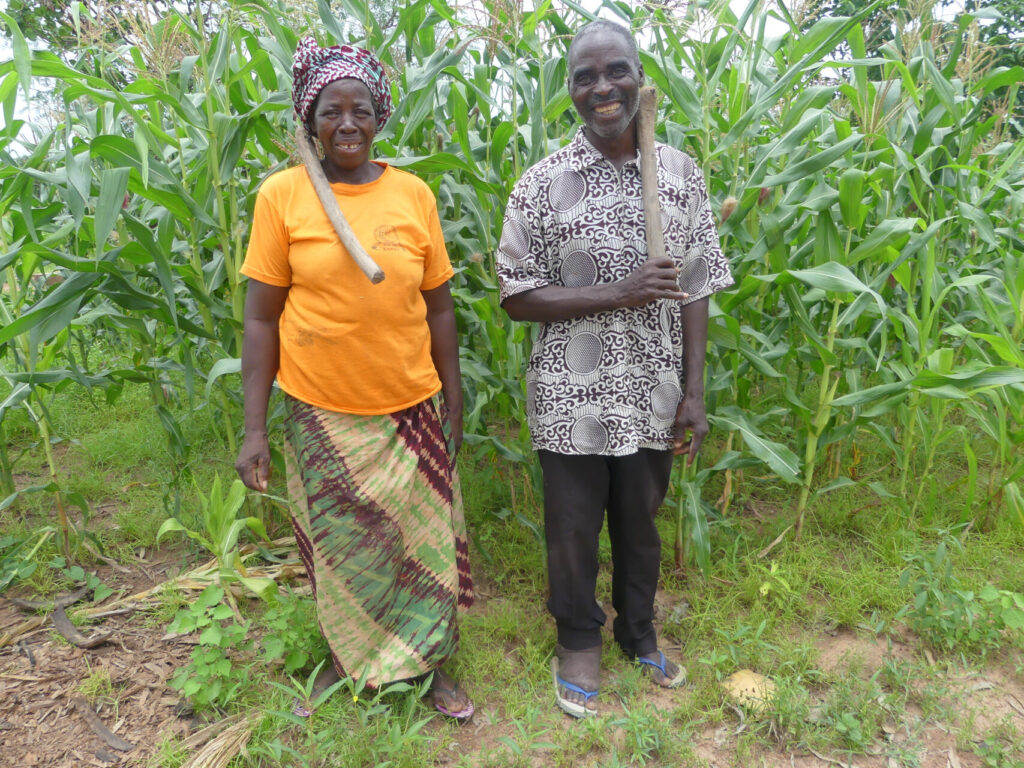
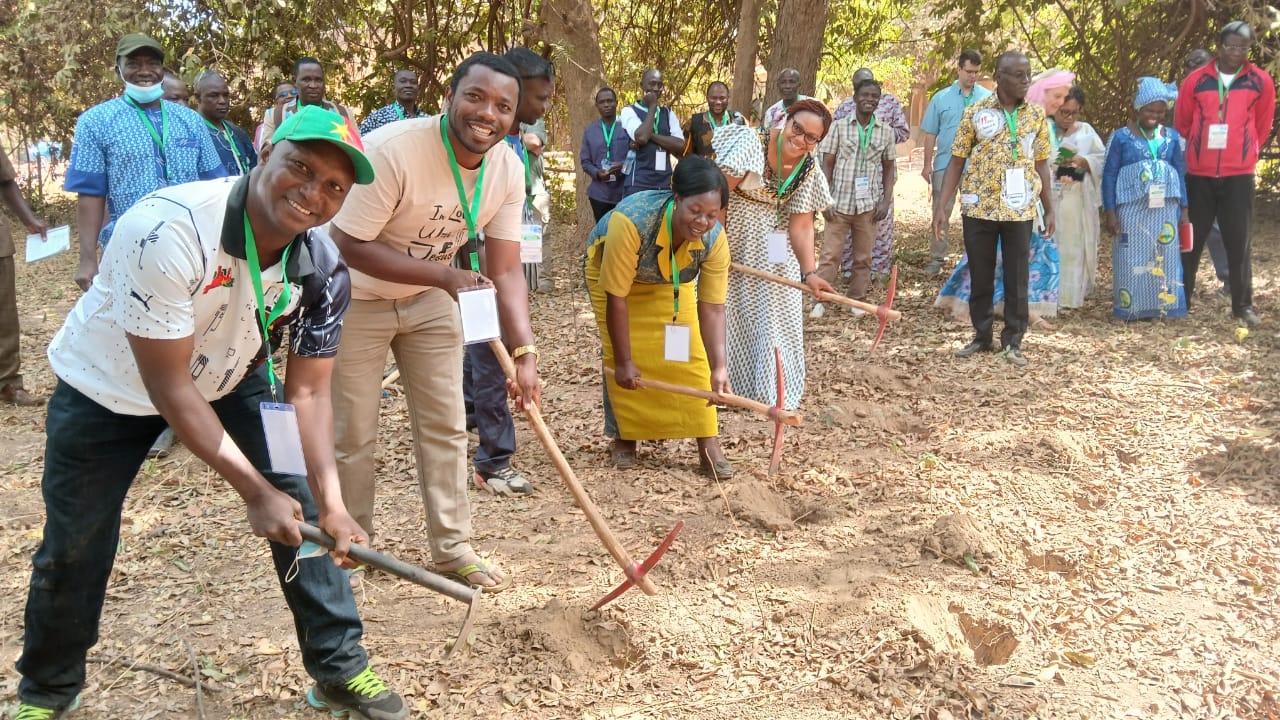
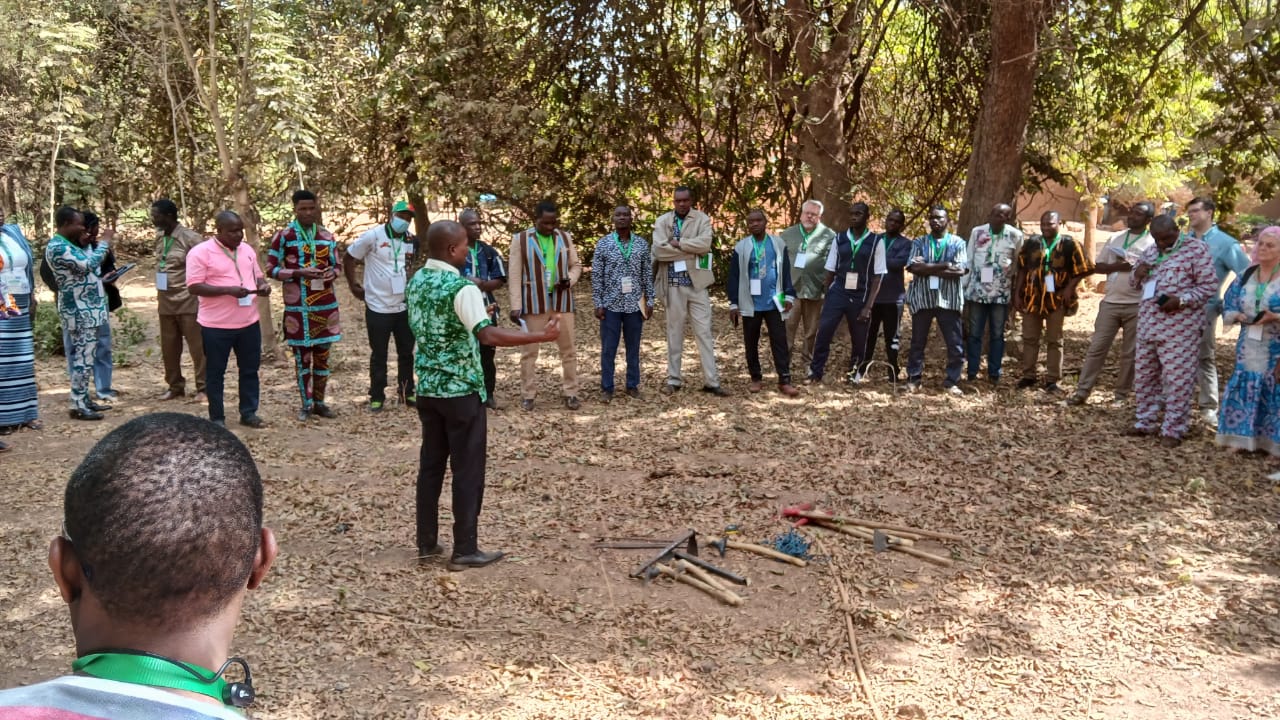
This January, ECHO West Africa hosted a Faith and Farming gathering that brought together 70 participants from more than 12 countries. Farmers, church leaders, and practitioners gathered not only to discuss agricultural techniques, but to reflect on Scripture and consider what it means to care for land as an act of obedience. 

During a session entitled “Agroecology and Faith,” Dr. Abram Bicksler, President and CEO of ECHO presented the contents of this training and offered a definition that resonated deeply with those in attendance:

"Agroecology applies ecological concepts and principles to create and maintain sustainable food systems while always considering social aspects to make them sustainable and fair. Agroecology is rooted in social and food contexts. It also gives attention to human and social values and rights. It adds dignity because it sees farmers as contributors."

In the room that day, agroecology was not presented as a trend or ideology. It was described as a way of aligning farming with God’s design. Participants reflected on social health, seed stewardship, and community responsibility not merely as technical concerns, but as expressions of love for neighbor and faithfulness to our Creator.

Dr. Bicksler also captured this connection simply: “Agriculture is so powerful because it is a way to love our neighbors, it’s a way to care for creation, and it’s a way to build the church.”

Those words echo what ECHO has witnessed for decades. When soil is restored, families are nourished. When farming systems become more resilient, communities gain stability. When churches understand their role in stewarding land, their witness deepens in tangible ways.

What we mean by Agroecology

ECHO uses the word agroecology to describe farming that works with natural systems rather than against them. It values diversity instead of monoculture, living soil instead of chemical dependence, and local knowledge alongside scientific insight.

At its heart, agroecology reflects Creation Care in action. Soil is rebuilt with composting and mulching. Trees and crops are integrated for stability and nourishment. Seeds are saved and shared. Water is captured and conserved.

These practices require observation, patience, and humility. For farmers facing unpredictable rainfall, rising temperature, and declining soil fertility, such approaches offer a pathway toward resilience rooted in stewardship rather than short term extraction. 

Creation Care and Food Security belong together

Food security is not only about producing more food. It is about producing food in ways that last. When soil erodes, harvests fail. When biodiversity disappears, crops become vulnerable, When farming systems break down, families bear the cost.

By encouraging agricultural approaches that acre for soil, water, plant diversity, and community wellbeing, ECHO and its global network address hunger at its roots. Creation Care strengthens a farmer’s ability to feed their family today while protecting the land that will feed their children tomorrow. It also helps communities adapt to climate pressures without undermining their long-term stability. 

ECHO’s network spans regions, cultures, and climates, yet it is united by a shared commitment to walk alongside farmers as they care for the land God has entrusted to them. Through your partnership, farmers, churches, and local organizations continue pursuing agricultural practices that restore soil, sustain families, and reflect God’s care for creation.

As hunger and climate challenges grow more complex, the call to stewards creation with wisdom and humility becomes even more urgent. Together, we can continue nurturing land that feeds people, honors God, and holds hope for generations to come. 

Join us in restoring land, strengthening communities, and reflecting God’s care for creation at https://echonet.org/give/.

Building a Community Seed Bank in Myanmar

From Training to Transformation

When the COVID-19 pandemic disrupted travel in early 2020, Tone Ma Lay from Myanmar found herself unexpectedly grounded in Thailand. What was meant to be a two-month internship at the ECHO Asia Impact Center quickly turned into a four-month stay when borders closed.

Rather than returning home early, Tone Ma Lay embraced the opportunity. She immersed herself in seed saving and seed banking training and expanded her learning into other areas of sustainable agriculture. During her time at ECHO Asia, she studied integrated pest management, biochar, and community development, while observing how ECHO equips partners to share knowledge that lasts.

Reflecting on that season, she shared,

“I am very satisfied and very happy with the internship.”

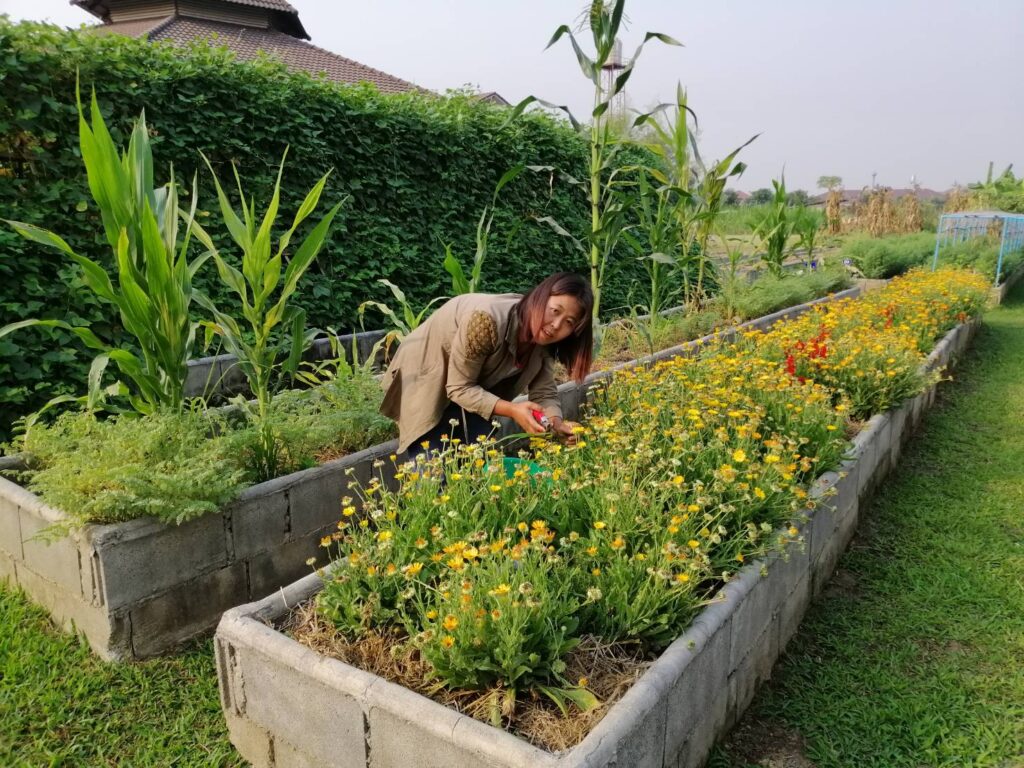
Tone Ma Lay working in the garden at ECHO Asia Impact Center in Chiang Mai, Thailand.

Returning Home to Growing Challenges

When Tone Ma Lay eventually returned to her community in Myanmar, she found that the pandemic had deepened existing challenges. Farmers were becoming increasingly dependent on expensive chemical outputs, and local crop diversity was declining. Many traditional seed varieties were being lost.

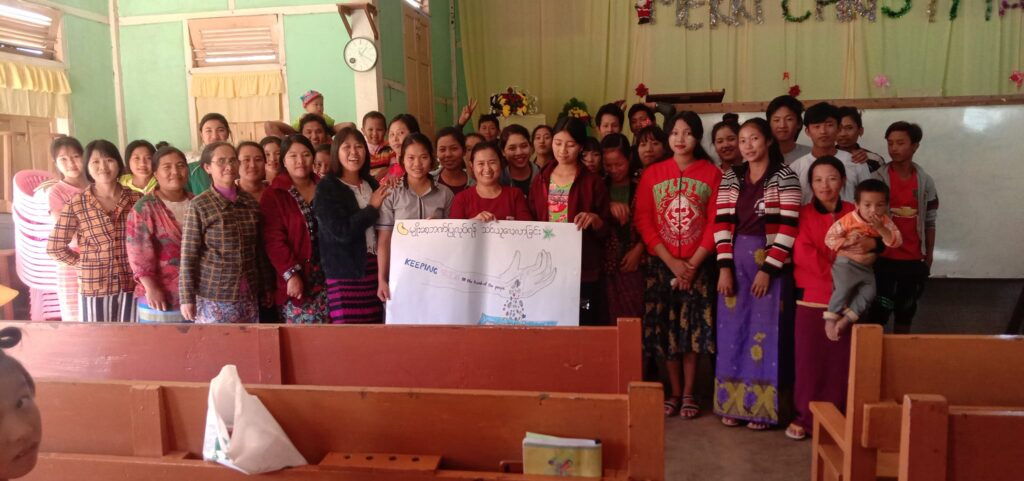
Remembering what she learned at ECHO Asia, Tone Ma Lay began gathering neighbors to share simple but powerful ideas. She explained why saving seed matters, demonstrated how to clean and store seeds properly, and encouraged others to share their own knowledge and experiences.

Soon after, the community organized a seed swap. Families brought seeds that they had saved at home and exchanged with one another. The response was clear: People cared deeply about preserving their seed heritage, and they needed a shared structure to support that goal.

Tone Ma Lay providing a training in her community in Myanmar.

From Knowledge to Action

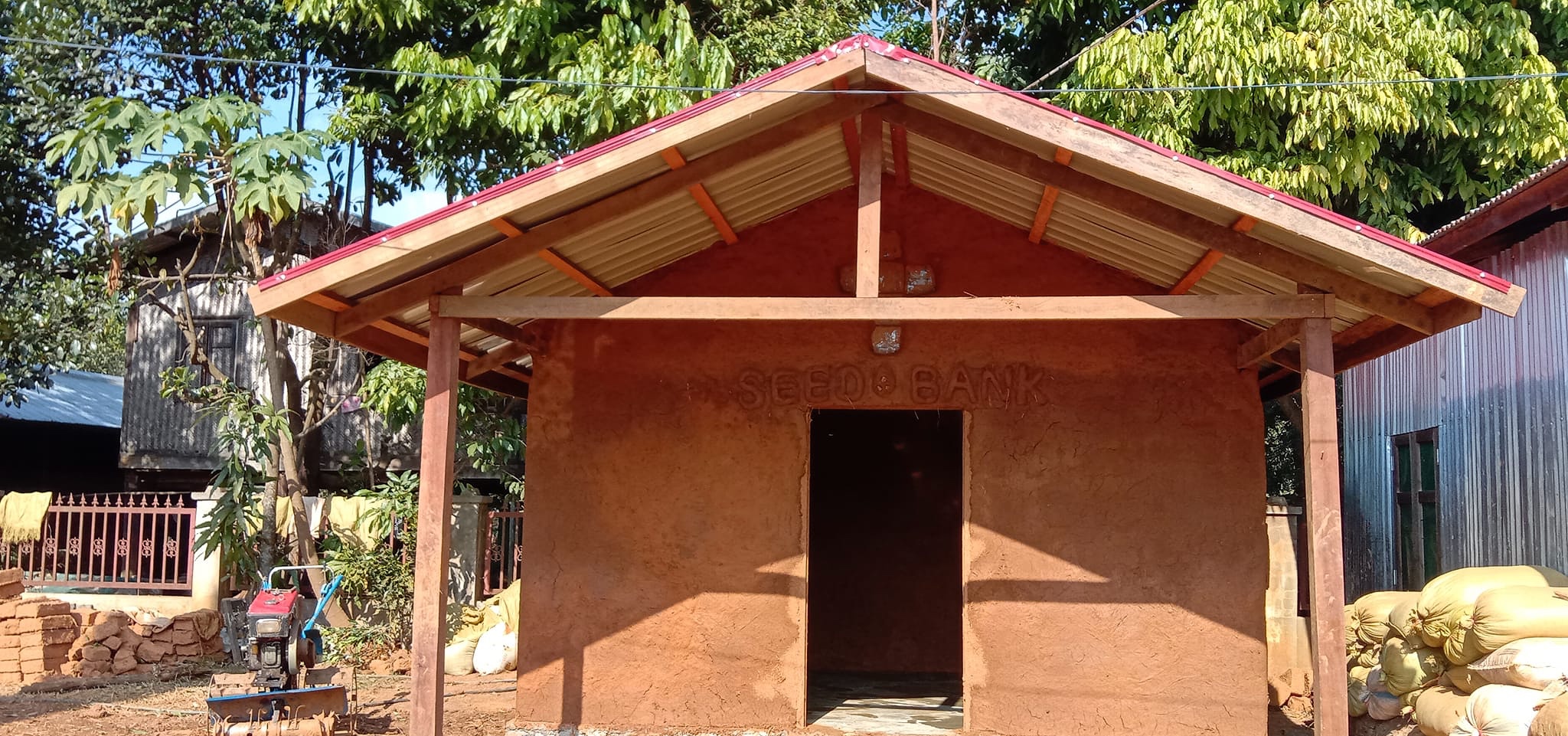
Building on that momentum, Tone Ma Lay helped lead a community effort to establish a local seed bank using practical steps she had learned at ECHO.

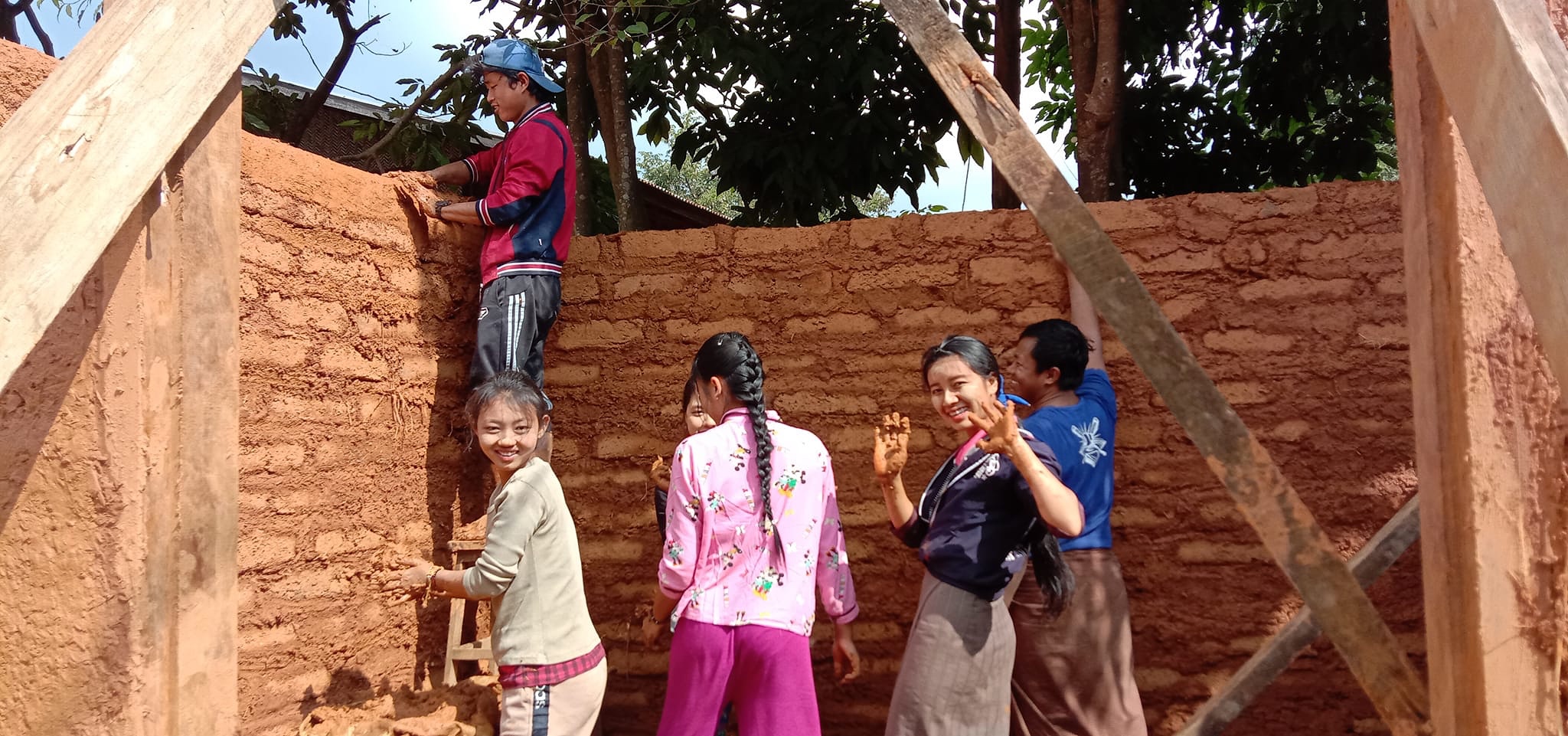
Together, the community identified key local crops that were important for food security and culture. They created affordable storage solutions using locally available materials. They also began regular grow outs to test seed viability and adaptability before sharing seeds more widely.

Women and youth were invited to help manage the seed bank, ensuring that knowledge and responsibility were shared across generations.

As Tone Ma Lay reflected on this journey, she said,

“[I am] receiving many different blessings from God, and one of the biggest is attending the four months internship at ECHO Asia.”

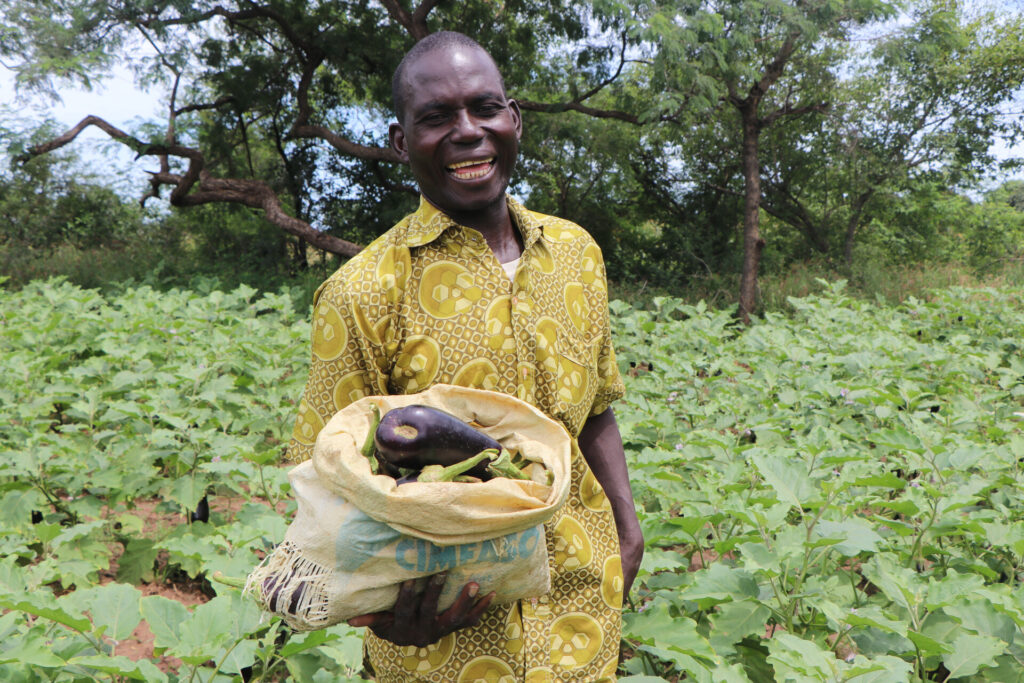
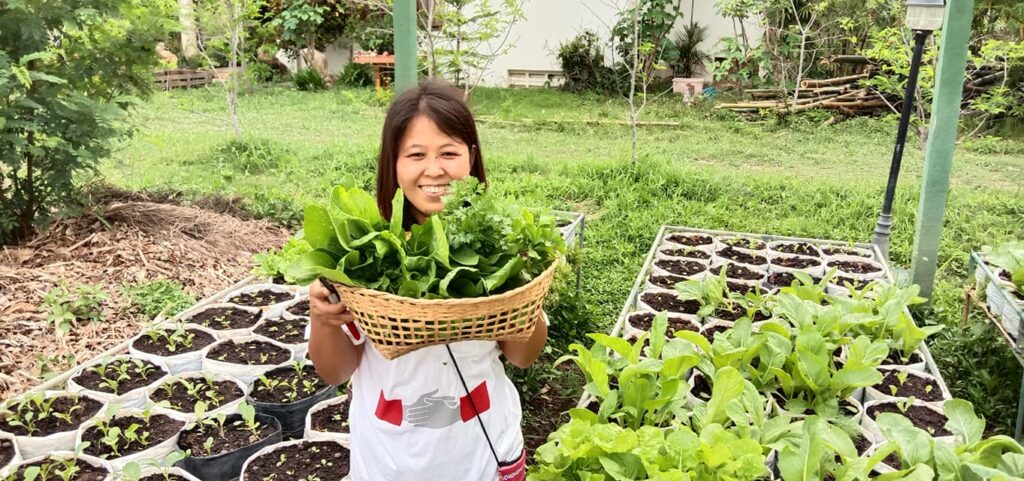
Tone Ma Lay displays a harvest from her garden in Pyio Oo Lwin, Myanmar.

A Growing Impact

Today, the seed bank serves families in the community by providing access to diverse, locally adapted seeds, along with the skills to steward them well for the future.

In March 2025, ECHO Asia returned to Myanmar to provide additional training and encouragement, building on the strong foundation that Tone Ma Lay and her neighbors had already established.

Tone Ma Lay was originally sent to ECHO Asia by the List Baptist Convention Seminary in Myanmar, where she was studying. ECHO’s long-time partner, Professor Thaung Si, has been connected with this group since 2012 and helped encourage her journey. What began as an unexpected extension of training became a pivotal season that shaped not only Tone Ma Lay’s path, but also the future of her community.

Tone Ma Lay’s journey reflects the heart of ECHO’s mission. When practical knowledge is shared with care and faith, small seeds can grow into lasting hope. What started with one intern’s willingness to learn has multiplied into a community equipped to protect its seed heritage and strengthen its food security for generations to come. 

How a Community Seed Bank Took Root

When ECHO shares knowledge, it does not stop with one person. It multiples. Here are the key steps Tone Ma Lay and her community followed.

Identify local needs and key crops

The community recognized the urgent need to protect traditional seeds that were at risk of disappearing.

Design simple storage solutions

Using low-cost techniques learned at ECHO Asia, the team created storage methods suited to their local climate and resources.

Test and multiply seeds

Grow out trials helped ensure each seed variety was healthy and adaptable before being shared.

Engage the whole community

Families, women, and youth were invited to participate, building shared ownership and long-term sustainability.

Want to learn more about seed banking? Explore ECHO’s seed resources and training opportunities at ECHOcommunity.org.

Ready to partner with ECHO in this important work? Join us at echonet.org/give.

Virak’s Story: From Newcomer to National Influencer


When Virak first attended the ECHO Asia Conference in 2017, he arrived with no agricultural background, only a deep desire to serve his people on mission in Cambodia. He knew agriculture could be the key to strengthening rural communities, but he didn’t know where to begin.

ECHO became his starting point.

Just eight years later, Virak stood on the same stage as a keynote speaker, sharing how ECHO’s training, mentorship, and practical tools reshaped his calling and equipped him to transform lives.

Today, Virak and his family run Keat Farm, one of Cambodia’s most dynamic and diverse agricultural enterprises. What began as uncertainty has grown into a national model of innovation and impact:

  • 1,000 sheep grazing in the tropics
  • Free-range pigs and a 60-head hog operation using ECHO Asia’s on-farm feed techniques
  • Dairy production and agrotourism ventures
  • More than 60,000 people visiting the farm last year alone
  • Even the Prime Minister of Cambodia purchases their organic meat

Virak’s story is now known throughout Cambodia. He has become an online influencer recognized throughout the country, and he is preparing to launch an app that will connect farmers to markets. He believes that this tool can reach over one million people almost immediately.

Behind all this growth is a quiet truth he shared with us: The techniques he learned from ECHO did not stop with him.  He has multiplied them, sharing practical and life-giving knowledge with farmers and families across Cambodia.

This is the ECHO Effect.
This is what your partnership and generosity makes possible.

When you support ECHO, you are not just training one person. You are strengthening the capacity of a leader who can reach an entire nation.

You can help more farmers discover practical solutions that change lives.
Will you come alongside leaders like Virak today? Support the reach of ECHO’s global network by giving at echonet.org/give. 

Seed Banking: Your Top Questions Answered


Access to locally appropriate seeds can mean the difference between hunger and harvest for families around the world. Through ECHO’s global network, seed systems are being strengthened to protect biodiversity, improve food security, and help communities grow their resilience. 

Seed banking and seed saving have long been part of ECHO’s ministry. Across climates and cultures, our teams study, test, and refine these methods to help small-scale farmers access reliable, locally adapted seed. Below are some of the most common questions we receive about seed banks and how they help communities flourish. 

What is a seed bank?

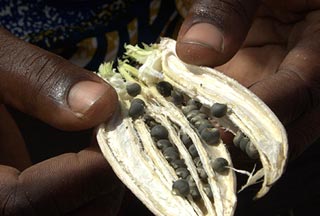
A seed bank is a place where seeds or other plant material are stored for future use. It serves farmers, gardeners, crop breeders, and researchers who want to conserve valuable plant varieties. 

Seed banks can vary widely. Some store small quantities of many species to preserve diversity, while others hold larger quantities of a few important crops. Depending on local resources, they may range from high-tech cold storage facilities to simple, community-built structures made with local materials.


Why does ECHO focus on community seed banking?

Community seed banks are locally managed seed systems that help farmers conserve, multiply, and share important plant varieties suited to their own environments. 

ECHO focuses on strengthening these systems because they offer practical solutions to several global challenges. As many countries tighten seed movement across borders, communities need reliable local seed sources. By investing in community-led seed systems, ECHO helps ensure that farmers can: 

  • Respond quickly after crises such as droughts or floods.

  • Preserve traditional and regionally adapted crops.

  • Strengthen community self-reliance and reduce dependence on outside suppliers.

This work connects directly with ECHO’s Global Goal #3: Advancing Global Seed Banking, which supports local biodiversity and food security worldwide. 


What does a community need to start a seed bank?

Every successful community seed bank begins with collaboration, commitment, and shared purpose. From there, several key elements help ensure success: 

  • Local leadership and community recognition. 

  • Funding for materials, training, and storage facilities. 

  • Infrastructure suited for seed storage such as underground cisterns, earthbag structures, or cool rooms. 

  • Training in seed saving, purity maintenance, germination testing, and recordkeeping. 

  • A system for tracking seed lots and performance data. 

  • Proper containers and moisture-control tools such as desiccants or vacuum sealing. 

  • Agreed distribution and regeneration methods to keep the seed system active and sustainable. 

With these building blocks, communities can safeguard their seed diversity for future generations. 


What are the key functions of a community seed bank?

A healthy seed bank is more than a storage space. It is a center for knowledge sharing, cooperation, and resilience building. Common functions include: 

  • Preserving local and indigenous seed varieties. 

  • Managing, storing, testing, and distributing seed collections. 

  • Coordinating seed fairs and exchanges to promote diversity. 

  • Providing seed relief after disasters or crop loss. 

  • Supporting cooperation and peacebuilding through shared stewardship of resources. 

Some seed banks also maintain other planting materials, such as sweet potato cuttings, banana pups, or chaya stems, ensuring farmers have access to a range of crops that meet both food and nutrition needs. 

Do farmers have to pay for seeds from ECHO’s seed banks?

ECHO provides ten free variety trial seed packets each year to individuals or organizations working with small-scale farmers. Each packet contains enough seed to plant a 30-foot row of a crop. Additional seed, along with documents that prove seeds are safe and pest free (phytosanitary certificates) for countries that require them, can be purchased through ECHO’s seed banks. 

Farmers and organizations can visit ECHOcommunity.org to request seed and connect with their nearest Regional Impact Center for guidance and support. 


How are seeds stored for long periods in harsh climates?

Seeds are living organisms that require careful handling to stay viable. At ECHO, seeds are dried thoroughly to reduce moisture and pest risk. They are then sealed in airtight containers with desiccants and stored in cool environments. 

Every six to twelve months, ECHO teams test small samples from each seed lot to check germination rates. If the rate falls below acceptable levels, staff review storage conditions and regenerate the seed through new plantings to keep the collection strong and healthy. 


How can my donation support ECHO’s seed banks?

Your support helps ECHO share thousands of seed packets each year with global partners and farmers in need. Each packet represents more than seed—it represents food, opportunity, and hope. 

Through your generosity, families can grow nutritious crops, preserve their local seed heritage, and pass abundance on to others in their communities. 


Want to learn more about seed banking? Explore ECHO’s seed resources and training opportunities at ECHOcommunity.org. 

Ready to partner with ECHO in this important work? Join us at echonet.org/give.