

Creation Care, Agroecology, and the Heart of ECHO

Across much of the world, hunger is not caused by a lack of land or effort. It is often the result of land that has been exhausted, soils stripped of life, and farming systems that no longer serve the people who depend on them. For ECHO, caring for creation is not a secondary concern or a modern trend. It sits at the very center of how we understand food security, faith, and faithfulness. 

Creation Care begins with a simple conviction. God’s creation is not merely a resource to be used, but a gift to be tended. When land is cared for well, it nourishes families, strengthens communities, and endures through changing climates. When land is degraded, the consequences are felt first by small scale farmers and their families. 

Stewardship, not ownership

Scripture reminds us that “The earth is the Lord’s, and everything in it” (Psalm 24:1).  This truth shapes how ECHO approaches agriculture. Farmers are not owners in an ultimate sense. They are stewards, entrusted with soil, seed, water, and knowledge that must serve both present and future generations.

Stewardship asks different questions than extractive agriculture. Instead of asking how much can be taken, it asks how life can be sustained. Instead of prioritizing short-term yield, it considers long-term resilience. It recognizes that human wellbeing and ecological health are deeply connected.
Faith and Farming in West Africa

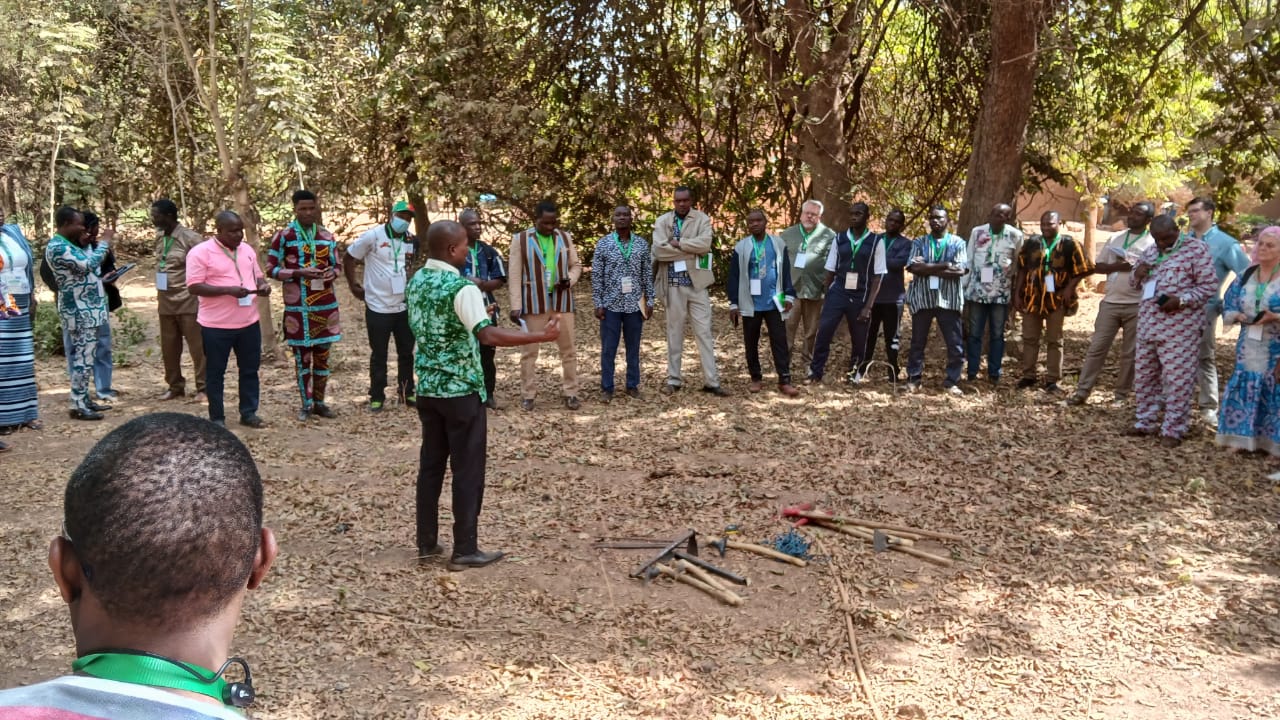
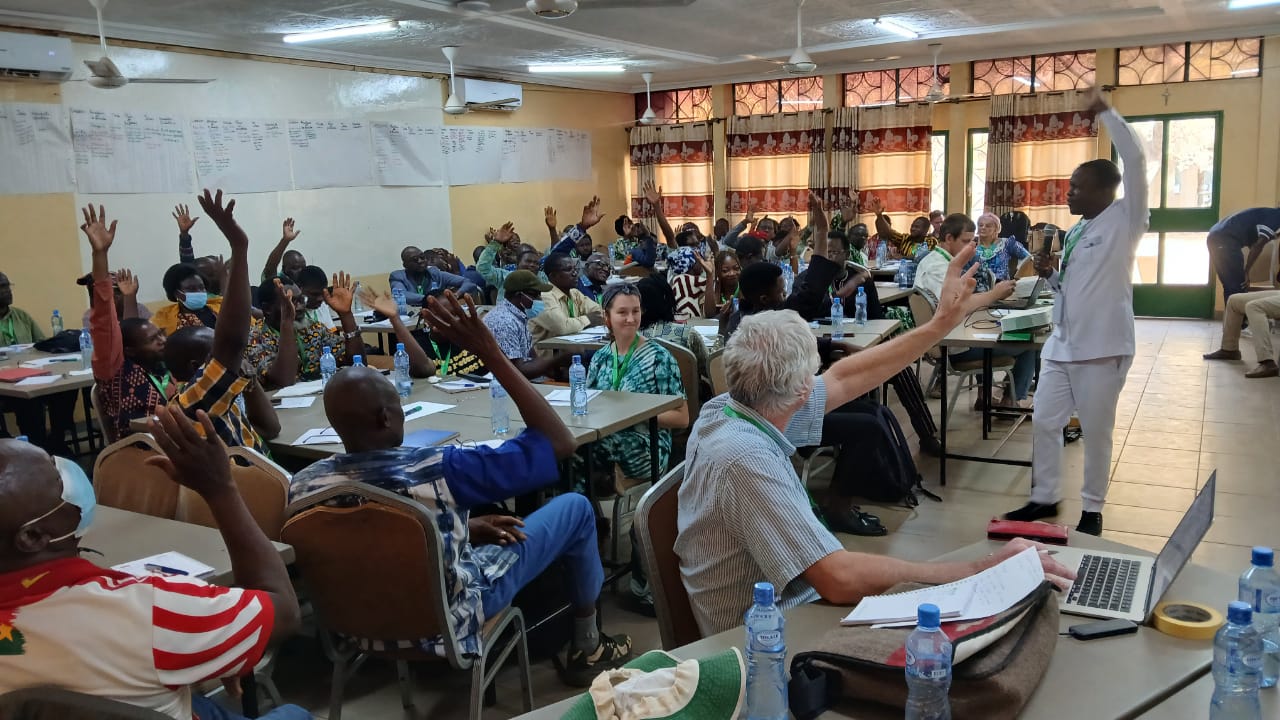
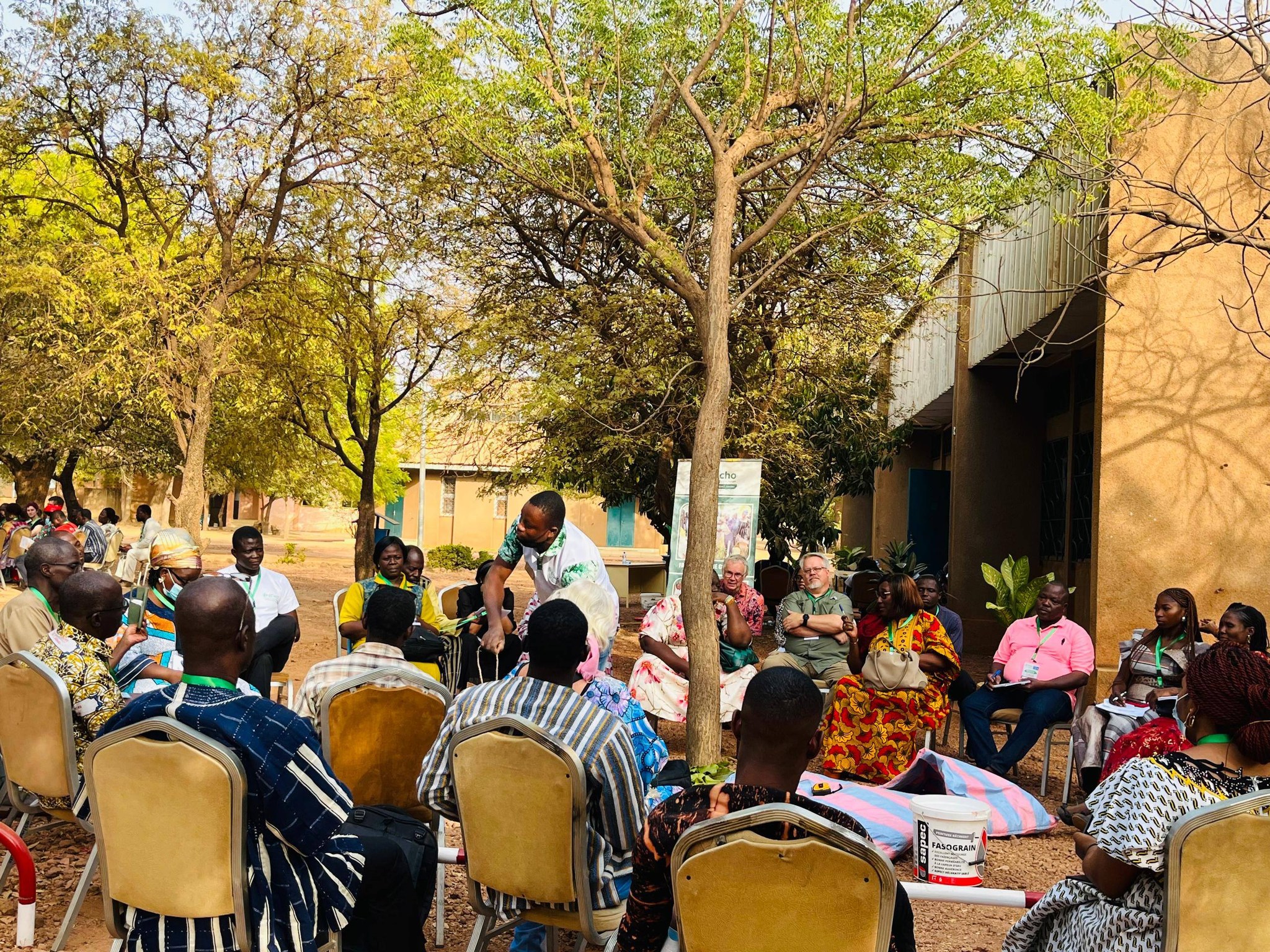
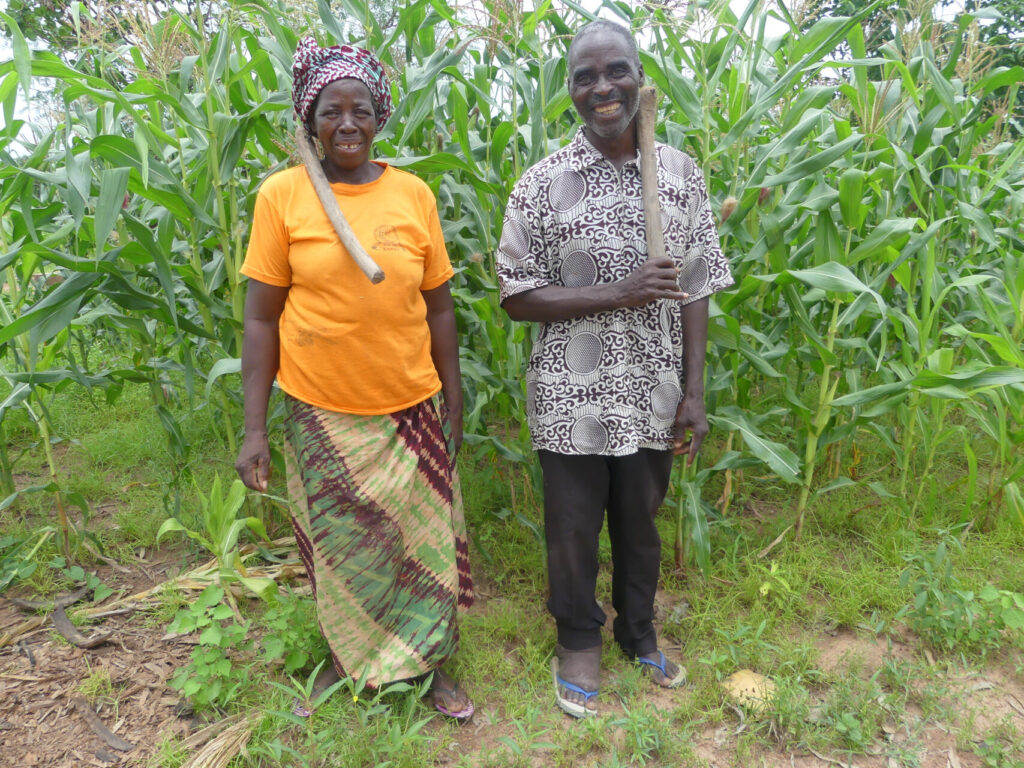
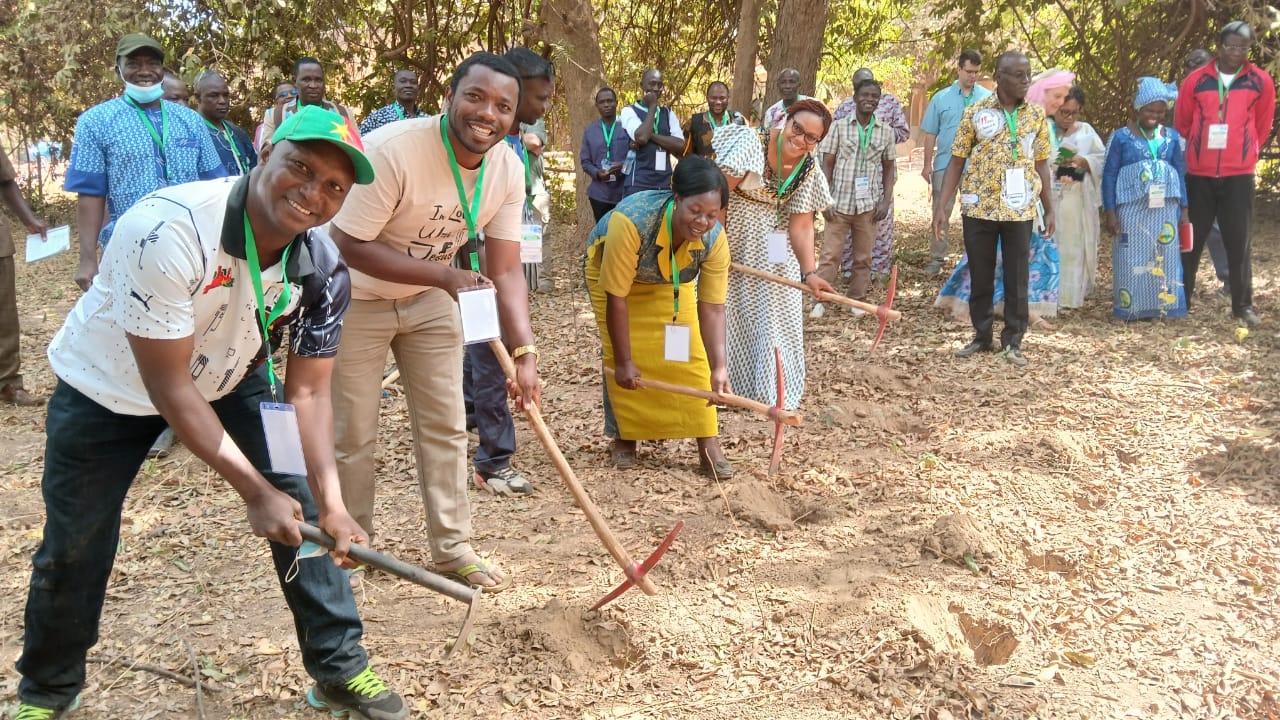
This January, ECHO West Africa hosted a Faith and Farming gathering that brought together 70 participants from more than 12 countries. Farmers, church leaders, and practitioners gathered not only to discuss agricultural techniques, but to reflect on Scripture and consider what it means to care for land as an act of obedience. 

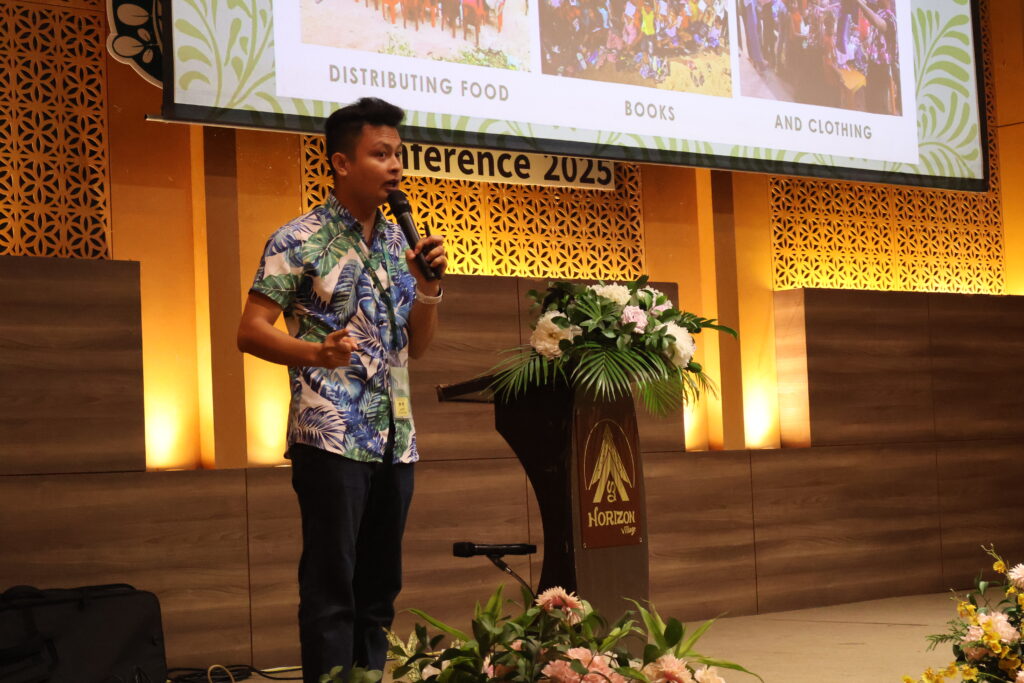
During a session entitled “Agroecology and Faith,” Dr. Abram Bicksler, President and CEO of ECHO presented the contents of this training and offered a definition that resonated deeply with those in attendance:
"Agroecology applies ecological concepts and principles to create and maintain sustainable food systems while always considering social aspects to make them sustainable and fair. Agroecology is rooted in social and food contexts. It also gives attention to human and social values and rights. It adds dignity because it sees farmers as contributors."

In the room that day, agroecology was not presented as a trend or ideology. It was described as a way of aligning farming with God’s design. Participants reflected on social health, seed stewardship, and community responsibility not merely as technical concerns, but as expressions of love for neighbor and faithfulness to our Creator.

Dr. Bicksler also captured this connection simply: “Agriculture is so powerful because it is a way to love our neighbors, it’s a way to care for creation, and it’s a way to build the church.”

Those words echo what ECHO has witnessed for decades. When soil is restored, families are nourished. When farming systems become more resilient, communities gain stability. When churches understand their role in stewarding land, their witness deepens in tangible ways.

What we mean by Agroecology

ECHO uses the word agroecology to describe farming that works with natural systems rather than against them. It values diversity instead of monoculture, living soil instead of chemical dependence, and local knowledge alongside scientific insight.

At its heart, agroecology reflects Creation Care in action. Soil is rebuilt with composting and mulching. Trees and crops are integrated for stability and nourishment. Seeds are saved and shared. Water is captured and conserved.

These practices require observation, patience, and humility. For farmers facing unpredictable rainfall, rising temperature, and declining soil fertility, such approaches offer a pathway toward resilience rooted in stewardship rather than short term extraction. 
Creation Care and Food Security belong together

Food security is not only about producing more food. It is about producing food in ways that last. When soil erodes, harvests fail. When biodiversity disappears, crops become vulnerable, When farming systems break down, families bear the cost.

By encouraging agricultural approaches that acre for soil, water, plant diversity, and community wellbeing, ECHO and its global network address hunger at its roots. Creation Care strengthens a farmer’s ability to feed their family today while protecting the land that will feed their children tomorrow. It also helps communities adapt to climate pressures without undermining their long-term stability. 

ECHO’s network spans regions, cultures, and climates, yet it is united by a shared commitment to walk alongside farmers as they care for the land God has entrusted to them. Through your partnership, farmers, churches, and local organizations continue pursuing agricultural practices that restore soil, sustain families, and reflect God’s care for creation.

As hunger and climate challenges grow more complex, the call to stewards creation with wisdom and humility becomes even more urgent. Together, we can continue nurturing land that feeds people, honors God, and holds hope for generations to come. 

Join us in restoring land, strengthening communities, and reflecting God’s care for creation at https://echonet.org/give/.
Building a Community Seed Bank in Myanmar

From Training to Transformation

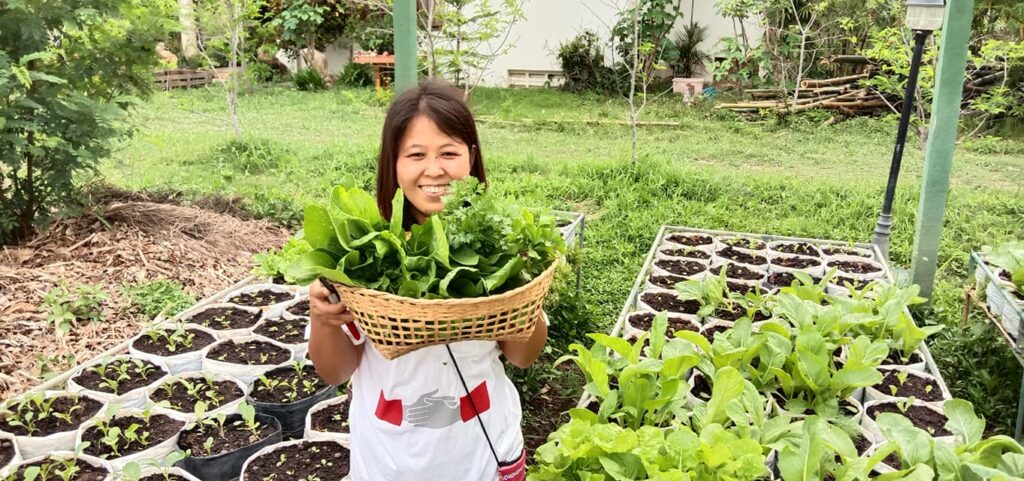
When the COVID-19 pandemic disrupted travel in early 2020, Tone Ma Lay from Myanmar found herself unexpectedly grounded in Thailand. What was meant to be a two-month internship at the ECHO Asia Impact Center quickly turned into a four-month stay when borders closed.

Rather than returning home early, Tone Ma Lay embraced the opportunity. She immersed herself in seed saving and seed banking training and expanded her learning into other areas of sustainable agriculture. During her time at ECHO Asia, she studied integrated pest management, biochar, and community development, while observing how ECHO equips partners to share knowledge that lasts.

Reflecting on that season, she shared,

“I am very satisfied and very happy with the internship.”

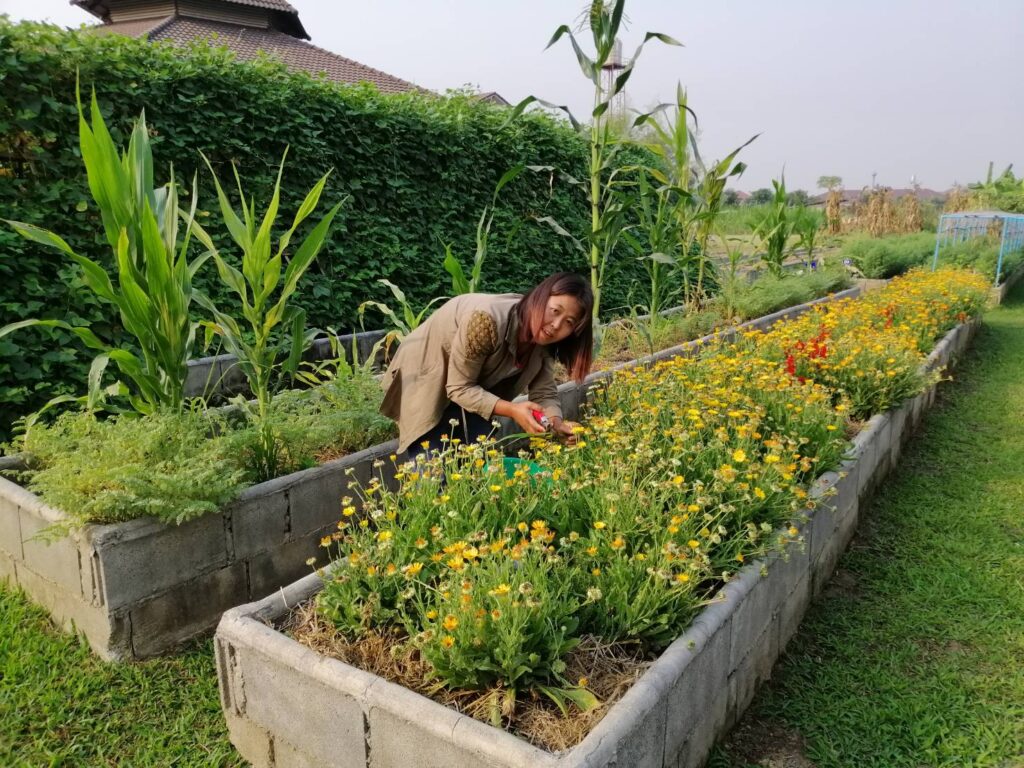
Tone Ma Lay working in the garden at ECHO Asia Impact Center in Chiang Mai, Thailand.

Returning Home to Growing Challenges

When Tone Ma Lay eventually returned to her community in Myanmar, she found that the pandemic had deepened existing challenges. Farmers were becoming increasingly dependent on expensive chemical outputs, and local crop diversity was declining. Many traditional seed varieties were being lost.

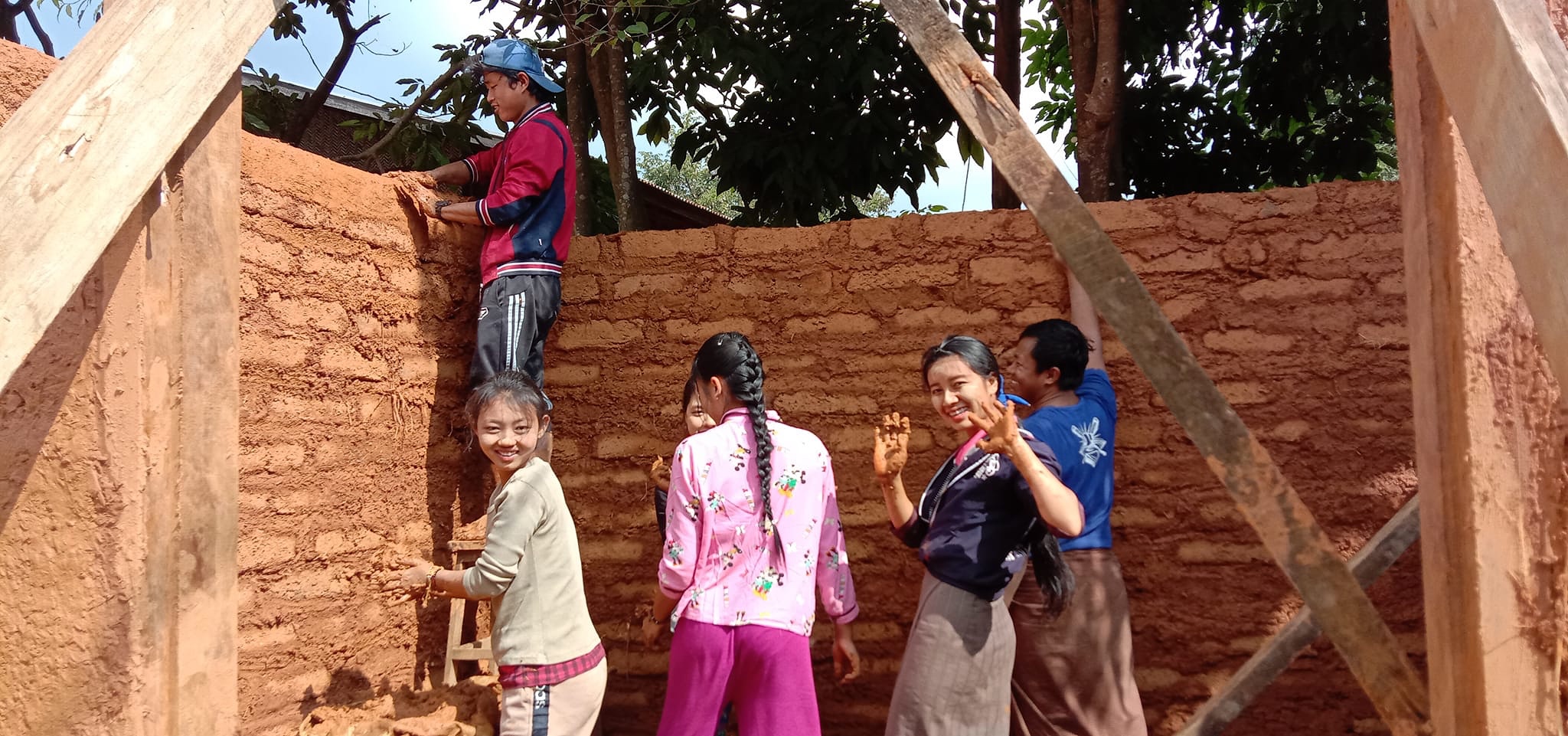
Remembering what she learned at ECHO Asia, Tone Ma Lay began gathering neighbors to share simple but powerful ideas. She explained why saving seed matters, demonstrated how to clean and store seeds properly, and encouraged others to share their own knowledge and experiences.

Soon after, the community organized a seed swap. Families brought seeds that they had saved at home and exchanged with one another. The response was clear: People cared deeply about preserving their seed heritage, and they needed a shared structure to support that goal.

Tone Ma Lay providing a training in her community in Myanmar.

From Knowledge to Action

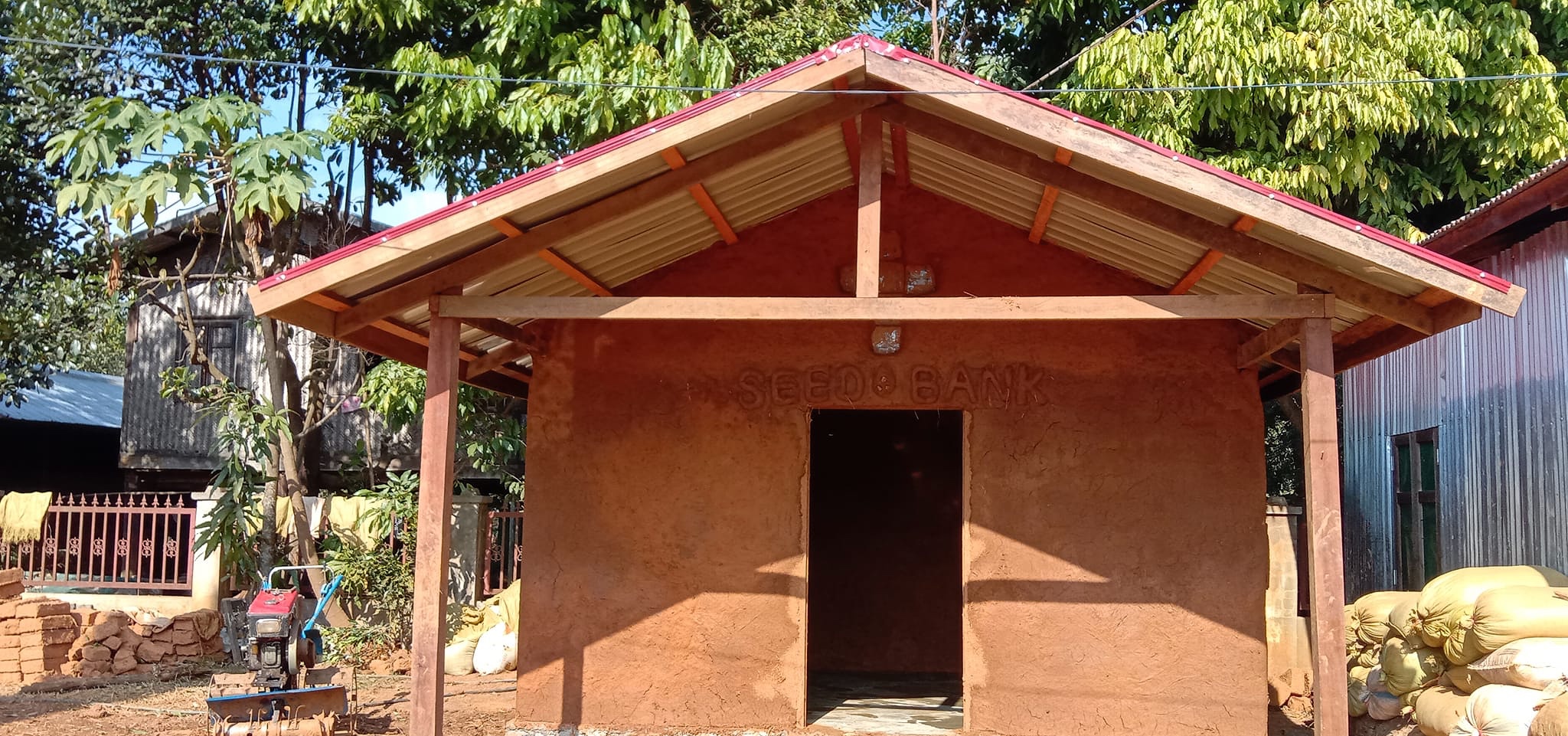
Building on that momentum, Tone Ma Lay helped lead a community effort to establish a local seed bank using practical steps she had learned at ECHO.

Together, the community identified key local crops that were important for food security and culture. They created affordable storage solutions using locally available materials. They also began regular grow outs to test seed viability and adaptability before sharing seeds more widely.

Women and youth were invited to help manage the seed bank, ensuring that knowledge and responsibility were shared across generations.

As Tone Ma Lay reflected on this journey, she said,

“[I am] receiving many different blessings from God, and one of the biggest is attending the four months internship at ECHO Asia.”

Tone Ma Lay displays a harvest from her garden in Pyio Oo Lwin, Myanmar.

A Growing Impact

Today, the seed bank serves families in the community by providing access to diverse, locally adapted seeds, along with the skills to steward them well for the future.

In March 2025, ECHO Asia returned to Myanmar to provide additional training and encouragement, building on the strong foundation that Tone Ma Lay and her neighbors had already established.

Tone Ma Lay was originally sent to ECHO Asia by the List Baptist Convention Seminary in Myanmar, where she was studying. ECHO’s long-time partner, Professor Thaung Si, has been connected with this group since 2012 and helped encourage her journey. What began as an unexpected extension of training became a pivotal season that shaped not only Tone Ma Lay’s path, but also the future of her community.

Tone Ma Lay’s journey reflects the heart of ECHO’s mission. When practical knowledge is shared with care and faith, small seeds can grow into lasting hope. What started with one intern’s willingness to learn has multiplied into a community equipped to protect its seed heritage and strengthen its food security for generations to come. 

How a Community Seed Bank Took Root

When ECHO shares knowledge, it does not stop with one person. It multiples. Here are the key steps Tone Ma Lay and her community followed.

Identify local needs and key crops

The community recognized the urgent need to protect traditional seeds that were at risk of disappearing.

Design simple storage solutions

Using low-cost techniques learned at ECHO Asia, the team created storage methods suited to their local climate and resources.

Test and multiply seeds

Grow out trials helped ensure each seed variety was healthy and adaptable before being shared.

Engage the whole community

Families, women, and youth were invited to participate, building shared ownership and long-term sustainability.

Want to learn more about seed banking? Explore ECHO’s seed resources and training opportunities at ECHOcommunity.org.

Ready to partner with ECHO in this important work? Join us at echonet.org/give.

Virak’s Story: From Newcomer to National Influencer


When Virak first attended the ECHO Asia Conference in 2017, he arrived with no agricultural background, only a deep desire to serve his people on mission in Cambodia. He knew agriculture could be the key to strengthening rural communities, but he didn’t know where to begin.

ECHO became his starting point.

Just eight years later, Virak stood on the same stage as a keynote speaker, sharing how ECHO’s training, mentorship, and practical tools reshaped his calling and equipped him to transform lives.

Today, Virak and his family run Keat Farm, one of Cambodia’s most dynamic and diverse agricultural enterprises. What began as uncertainty has grown into a national model of innovation and impact:

  • 1,000 sheep grazing in the tropics
  • Free-range pigs and a 60-head hog operation using ECHO Asia’s on-farm feed techniques
  • Dairy production and agrotourism ventures
  • More than 60,000 people visiting the farm last year alone
  • Even the Prime Minister of Cambodia purchases their organic meat

Virak’s story is now known throughout Cambodia. He has become an online influencer recognized throughout the country, and he is preparing to launch an app that will connect farmers to markets. He believes that this tool can reach over one million people almost immediately.

Behind all this growth is a quiet truth he shared with us: The techniques he learned from ECHO did not stop with him.  He has multiplied them, sharing practical and life-giving knowledge with farmers and families across Cambodia.

This is the ECHO Effect.
This is what your partnership and generosity makes possible.

When you support ECHO, you are not just training one person. You are strengthening the capacity of a leader who can reach an entire nation.

You can help more farmers discover practical solutions that change lives.
Will you come alongside leaders like Virak today? Support the reach of ECHO’s global network by giving at echonet.org/give. 

Seed Banking: Your Top Questions Answered


Access to locally appropriate seeds can mean the difference between hunger and harvest for families around the world. Through ECHO’s global network, seed systems are being strengthened to protect biodiversity, improve food security, and help communities grow their resilience. 

Seed banking and seed saving have long been part of ECHO’s ministry. Across climates and cultures, our teams study, test, and refine these methods to help small-scale farmers access reliable, locally adapted seed. Below are some of the most common questions we receive about seed banks and how they help communities flourish. 

What is a seed bank?

A seed bank is a place where seeds or other plant material are stored for future use. It serves farmers, gardeners, crop breeders, and researchers who want to conserve valuable plant varieties. 

Seed banks can vary widely. Some store small quantities of many species to preserve diversity, while others hold larger quantities of a few important crops. Depending on local resources, they may range from high-tech cold storage facilities to simple, community-built structures made with local materials.


Why does ECHO focus on community seed banking?

Community seed banks are locally managed seed systems that help farmers conserve, multiply, and share important plant varieties suited to their own environments. 

ECHO focuses on strengthening these systems because they offer practical solutions to several global challenges. As many countries tighten seed movement across borders, communities need reliable local seed sources. By investing in community-led seed systems, ECHO helps ensure that farmers can: 

  • Respond quickly after crises such as droughts or floods.

  • Preserve traditional and regionally adapted crops.

  • Strengthen community self-reliance and reduce dependence on outside suppliers.

This work connects directly with ECHO’s Global Goal #3: Advancing Global Seed Banking, which supports local biodiversity and food security worldwide. 


What does a community need to start a seed bank?

Every successful community seed bank begins with collaboration, commitment, and shared purpose. From there, several key elements help ensure success: 

  • Local leadership and community recognition. 

  • Funding for materials, training, and storage facilities. 

  • Infrastructure suited for seed storage such as underground cisterns, earthbag structures, or cool rooms. 

  • Training in seed saving, purity maintenance, germination testing, and recordkeeping. 

  • A system for tracking seed lots and performance data. 

  • Proper containers and moisture-control tools such as desiccants or vacuum sealing. 

  • Agreed distribution and regeneration methods to keep the seed system active and sustainable. 

With these building blocks, communities can safeguard their seed diversity for future generations. 


What are the key functions of a community seed bank?

A healthy seed bank is more than a storage space. It is a center for knowledge sharing, cooperation, and resilience building. Common functions include: 

  • Preserving local and indigenous seed varieties. 

  • Managing, storing, testing, and distributing seed collections. 

  • Coordinating seed fairs and exchanges to promote diversity. 

  • Providing seed relief after disasters or crop loss. 

  • Supporting cooperation and peacebuilding through shared stewardship of resources. 

Some seed banks also maintain other planting materials, such as sweet potato cuttings, banana pups, or chaya stems, ensuring farmers have access to a range of crops that meet both food and nutrition needs. 

Do farmers have to pay for seeds from ECHO’s seed banks?

ECHO provides ten free variety trial seed packets each year to individuals or organizations working with small-scale farmers. Each packet contains enough seed to plant a 30-foot row of a crop. Additional seed, along with documents that prove seeds are safe and pest free (phytosanitary certificates) for countries that require them, can be purchased through ECHO’s seed banks. 

Farmers and organizations can visit ECHOcommunity.org to request seed and connect with their nearest Regional Impact Center for guidance and support. 


How are seeds stored for long periods in harsh climates?

Seeds are living organisms that require careful handling to stay viable. At ECHO, seeds are dried thoroughly to reduce moisture and pest risk. They are then sealed in airtight containers with desiccants and stored in cool environments. 

Every six to twelve months, ECHO teams test small samples from each seed lot to check germination rates. If the rate falls below acceptable levels, staff review storage conditions and regenerate the seed through new plantings to keep the collection strong and healthy. 


How can my donation support ECHO’s seed banks?

Your support helps ECHO share thousands of seed packets each year with global partners and farmers in need. Each packet represents more than seed—it represents food, opportunity, and hope. 

Through your generosity, families can grow nutritious crops, preserve their local seed heritage, and pass abundance on to others in their communities. 


Want to learn more about seed banking? Explore ECHO’s seed resources and training opportunities at ECHOcommunity.org. 

Ready to partner with ECHO in this important work? Join us at echonet.org/give.

Growing Beyond Free Seeds: The Importance of Community Seed Banks From Trial Packets to Local Food Security

What happens when development workers, farmers, and communities collaborate to save and share their most successful seeds? Food security takes root, independence grows, and resilience blossoms for generations.

ECHO has been delivering free trial seed packets through its Regional Impact Centers (RICs) across Africa, Asia, the Americas, and beyond for decades. These packets help farmers test nutritionally rich crops that are climate resilient and culturally relevant to their local needs. But a single packet is often just the beginning.

As these crops succeed, communities take the next step by saving their own seeds and beginning to establish their own community seed banks, so the benefits multiply far beyond the trial phase.

What is a Community Seed Bank?

A community seed bank is a locally managed collection of seeds maintained by and for the community. Unlike commercial seed systems, these banks focus on preserving agricultural biodiversity, protecting Neglected and Underutilized Species (NUS), and ensuring smallholder farmers have dependable access to high-quality seeds adapted to their environment.

Community seed banks:

  • Preserve traditional and local seed varieties vital to the community’s culture and diet
  • Reduce dependency on buying seeds from outside suppliers
  • Help crops withstand climate shocks and changing weather patterns
  • Put seed decisions back into farmers’ hands
  • Keep seeds accessible to everyone, including the most vulnerable

Why They Matter Now More Than Ever

Community seed banks close that gap in regions where commercial seed systems can’t or won’t serve smallholder farmers. Because the seeds are often saved from the best-performing local crops, they are better suited to the conditions farmers face—drought in East Africa, flooding in Southeast Asia, or poor soils in Central America.

Seed Banks at ECHO’s Regional Impact Centers include:

  • East Africa: What started in 2014 with just two dozen seed samples is now 816 accessions, distributing over 30,000 packets in ten countries from 2022 to 2024. Many banks are run by women graduates of ECHO’s Seed Bank Manager Trainings—women who now lead local networks, multiplying both seeds and impact.
  • West Africa: ECHO’s community seed bank (banque de semences communautaire) was established in 2024. It preserves and multiplies farmer-managed seeds such as maize, okra, millet, and sorghum. By the end of 2025, 30 varieties will have been cataloged, contributed by farmers who save and share seeds from their harvests. Traditional practices of storing seeds in granaries, jars, or barrels, often with ash or neem leaves for protection, are strengthened through ECHO’s trainings, cleaning, trial plantings, and multiplication efforts. As producers learn to establish their own seed banks, local biodiversity and resilience will grow across the region.
  • Asia: Since 2009, ECHO Asia’s seed bank has grown from 170 initial samples to more than 500 accessions. Farmers from Laos to Myanmar now plant crops once nearly forgotten—restoring biodiversity and strengthening nutrition one harvest at a time.
  • Central America & the Caribbean: Community Seed Banks (known in CAC as “seed reservoir/reservorio de semillas” or “seed house/casa de semillas”) preserve Indigenous and peasant varieties that might otherwise disappear due to restrictive seed laws or overreliance on imported hybrids.
  • North America: The Global Seed Bank at ECHO Florida supplies the Free Trial Seeds program and conducts variety trials, sharing results with practitioners worldwide, often as far as Timor Leste in the South Pacific!

A Story of Multiplication: Amaranth in Guatemala

Sometimes, a seed bank’s legacy can be measured in decades. In 2001, Tara Cahill of the Cloud Forest Conservation Community in Guatemala took home a small packet of Mexican Grain Amaranth from ECHO’s seed bank in Florida. She planted it in Alta Verapaz for use in school and family gardens.

Twenty-four years later, Tara is still planting, multiplying, and sharing those same seeds. Amaranth, a nutrient-rich ancient grain, now grows in fields and gardens across the region—supporting healthier diets, better soils, and stronger communities.

“I have been planting, multiplying, and enjoying them for twenty-four years straight,” Tara says

This is a true testament to the enduring power of a single shared seed.

From Free Seeds to Seed Sovereignty

ECHO’s Free Trial Seeds program often sparks the creation of community seed banks—but it doesn’t stop there. We also:

  • Provide hands-on training for seed bank managers in harvesting, cleaning, and storing seed for long-term viability.
  • For nearly 10 years, we have facilitated opportunities for active seed bank managers to gather to share practical experiences, discuss operations challenges, and discuss strategies for consolidation and support.
  • Share low-cost storage innovations, like the bicycle-powered vacuum seed dryer in Thailand.
  • Produce multilingual training videos and books, such as Community Seed Bank Options, to guide others in starting their own local seed systems.

These initiatives ensure farmers aren’t just recipients of seeds; they become stewards, trainers, and innovators in their own right.

Ready to Start or Support a Community Seed Bank?

Visit ECHOcommunity.org for free resources on:

  • Seed-saving techniques for tropical and challenging climates
  • Guides for establishing a community seed bank
  • Best practices for storing seeds where pests, heat, and humidity are challenges

Helping Communities Own Their Futures

When communities own their seed systems, they own their future. What begins with a handful of seeds, shared freely, can grow into a lasting source of health, resilience, and hope for generations.

Measuring What Matters: Global MEAL Symposium Sparks Collaboration and Innovation

On July 7–9, ECHO Asia’s Impact Center in Chiang Mai became a vibrant hub for collaboration and learning as leaders from 16 organizations, from grassroots NGOs to top research teams, gathered for the Global Holistic MEAL Symposium. Their shared goal was to explore how Monitoring, Evaluation, Accountability, and Learning (MEAL) can help drive holistic development across communities.

This event showed the power of ECHO as a convening organization,” reflected Gerrianne, ECHO’s new MEAL lead. “We’re not just collecting data, we’re building trust, sharing lessons, and multiplying impact.”

A Space for Shared Learning

The symposium started with a lively “World Café” where participants shared their MEAL journeys, including the challenges, successes, and lessons learned. Case studies spotlighted practical tools, from qualitative partner assessments to FAO’s Tool for Agroecology Performance Evaluation (TAPE), and innovative data models to track change over time. A key theme rang clear: strong MEAL practices let organizations focus on what truly makes a difference in people’s lives, fostering shared growth and community impact.

One attendee summed it up:
“I feel less alone now. No matter our organization’s size, we share the same challenges.”

Co-Creating Solutions

Day two moved to a collaborative charrette, with teams tackling urgent MEAL priorities: defining the right metrics, ensuring data quality, and designing actionable implementation. The session generated real-world strategies and best practices to be shared in an upcoming ECHO white paper, reflecting vibrant collective innovation.

Trust-Based Philanthropy: A Convergence of Trust, Stories, and Impact

On the final morning, a panel on trust-based philanthropy highlighted how stories, statistics, and organizational trust go hand in hand. The discussion featured Scott Sabin, President of Plant With Purpose, who shared how his organization grew from tracking impact for five families in the Dominican Republic to comprehensive evaluations across all families served. It was a shift that revealed fuller stories of success and opportunity.

Without knowing how we’re doing, we can’t do anything with confidence,” Sabin explained. “While MEAL is sometimes viewed as optional, it’s actually the compass that guides our organization.” Plant With Purpose’s commitment to meaningful impact measurement propelled growth from $5M in revenue in 2020 to $14M in 2025, a change Sabin attributes to major donors prioritizing measurable results.

Participants reflected on key takeaways, identified barriers to implementing trust-based philanthropy, and committed to action steps in their own contexts.

The event closed with a farewell dinner on the banks of the Ping River, a fitting end to three days of connection, reflection, and vision-casting.

Why Collaboration Matters

Beyond the workshops and panels, the symposium deepened a spirit of belonging and encouragement. One participant shared:

“This was a fruitful time of learning. It’s challenged us to keep revising and improving our MEAL program.”

For Gerrianne, the experience confirmed:
“We can learn from the mistakes and replicate the successes of brilliant organizations around the table and begin this journey filled with motivation and inspiration.”

Looking Ahead

The conversations and connections sparked in Chiang Mai will continue through the release of the symposium whitepaper, future training opportunities, and ongoing collaboration across the network.

At ECHO, we believe measuring what matters is more than collecting data. It’s about listening, learning, and walking alongside communities to co-create lasting change.

Interested in learning more? Visit ECHOcommunity.org for access to resources, new research, and upcoming event announcements.

From Hard Soil to Hope: Inside ECHO’s West Africa Impact Center

West Africa carries some of the world’s heaviest burdens of rural poverty and food insecurity. In that challenge, ECHO’s West Africa Impact Center in Ouagadougou, Burkina Faso, has become a beacon quietly equipping those who serve smallholder farmers with practical, low-cost options that restore land, strengthen harvests, and open doors for holistic ministry. 

Through resource centers, on-farm demonstrations, and hands-on training, thousands of farmers, development workers, and church partners across the region are learning sustainable practices that improve food security and family livelihoods.

What does that look like on the ground? Meet Adama Boro. He joined an ECHO sustainable agriculture training in March 2024 and returned home determined to try what he’d learned about improved planting methods and biofertilizers suited to his context. When his 2025 corn harvest came in, it was so abundant that neighbors whispered about witchcraft. Adama knew better. The increase came from better stewardship of the soil, and it gave him an unexpected opening to talk about hope, change, and the truth of the Gospel.

“I have never had such a production before,” he says. “With ECHO’s techniques, we can make an agricultural revolution in Burkina.” 

Training participants across the region are discovering that even in harsh conditions, crops can thrive when conservation-focused methods like those taught in Foundations for Farming protect soil, conserve moisture, and manage fields with care. Improvements stack over time: healthier soil, steadier yields, and more margin for families living close to hunger.

And hunger remains a pressing reality. An estimated 58% of Africa’s population, roughly 300 million people, faces moderate to severe food insecurity. Every improved field matters.

Robert Sanou, founding director of ECHO West Africa, is guiding this long-term effort. Based in Burkina Faso, Robert has spent more than a decade building the Center and previously led the multi-sectoral development organization ACCEDES for 15+ years. With advanced degrees in project management and law, fluency in French and English, and extensive regional consulting experience, he brings a deep commitment to empowering communities across West Africa.

Want to learn what’s working? ECHO regularly shares West Africa field updates, practical “how-to” resources (in French & English), training opportunities, and stories like Adama’s that you can apply in the places you serve. Learn more and stay connected on ECHOCommunity.org and sign up for ECHO News to receive the latest tools and updates on our work ending hunger around the world.

Celebrating ECHO’s Newest Regional Impact Center (RIC)

In May 2025, farmer-trainers, beekeepers, and development leaders gathered in Guatemala to explore stingless native bees and agroecology. Listening in the circle was Katalina Landaeta, newly appointed director of ECHO’s Central America & Caribbean (CAC) Regional Impact Center. The stories she heard that day of fragile soils, storm losses, and communities eager to learn from one another capture the heartbeat of this new center.

ECHO’s Central America & Caribbean Regional Impact Center exists to partner with smallholder farmers and development workers by sharing practical, sustainable options that help reduce hunger and improve livelihoods across the region. The Center received official Board approval in 2024 and began foundational work in January 2025 under Katalina’s leadership. From day one, the posture has been simple: listen first, build trust, then co-create solutions that fit local realities.

The CAC team first focused on relationship-building and collaborative learning to ground the work in regional priorities. Across Guatemala, Honduras, and Nicaragua, ECHO organized four national gatherings that brought together approximately 50 organizations and leaders in each country.

Through facilitated dialogue, participants surfaced shared agricultural and food security challenges, co-developed collaborative training agendas with local practitioners, and began laying the groundwork for future seed banking efforts to strengthen adaptive agriculture. Each event helped knit together relationships that will carry this work forward.

Central America and the Caribbean face overlapping vulnerabilities, climate shocks, fragile food systems, and resource constraints, yet communities remain resilient and innovative. Public health and development data paint a clear picture of both need and opportunity:

In 2022, 7.2 million people in the Caribbean experienced hunger, and more than 60% of the region’s population faced moderate or severe food insecurity. (PAHO) At the same time, the area is routinely battered by weather extremes, with an average of eight tropical storms or hurricanes striking each year. (CEPAL) Agriculture is overwhelmingly small-scale: about 70% of farmland is managed by smallholders. (FAO) These are precisely the farmers ECHO seeks to encourage—with context-appropriate innovations they can test, adapt, and share.

Climate variability, degraded soils, and market instability mean farmers need options that work under stress. Evidence shows climate-smart farming practices can increase yields by 30–50%. (World Bank) Through the CAC RIC, ECHO is investing in the support that helps these practices take root:

  • Strategic partnerships that connect local organizations, technical experts, and community leaders.
  • Regionally relevant resources, including Spanish-translated technical notes, so knowledge is usable where it’s needed.
  • Planning for a Small Farm Resource Center to provide demonstration plots, seed access, and hands-on learning.
  • Continued network gatherings that accelerate farmer-to-farmer exchange across borders.

Resilience builds fastest when solutions are discovered, owned, and multiplied locally.

Central America contains 12% of the world’s biodiversity on just 2% of its land area. (IUCN) That ecological richness is more than a fun fact; it’s a wellspring for agroecological innovation. Diverse species, traditional knowledge, and locally adapted crops give smallholders tools to weather climate shocks, restore soils, and diversify income.

Katalina Landaeta leads the CAC RIC with a passion for farmer-led innovation and participatory research. She holds a B.S. in Environmental Sciences from Simón Patiño University in Bolivia and a M.S. in Fundamentals & Practices in Sustainability from the University of Lausanne in Switzerland.

She is an environmental scientist with hands-on experience in agroecological projects and resilience missions in Bolivia, Colombia, and Angola. Her cross-cultural fieldwork and commitment to elevating farmer knowledge make her well-suited to guide a regionally rooted, collaborative approach.

What’s Next

With relationships forming and collaborative agendas underway, the CAC RIC will continue:

  • Deepening country partnerships and practitioner networks.
  • Advancing seed banking groundwork and resource sharing.
  • Expanding Spanish‑language technical materials and training opportunities.Preparing the Small Farm Resource Center concept for the region.

Whether you directly serve farmers, support development programs from afar, lead a church or community initiative, or simply care about resilient food systems, you can help strengthen this work. When you partner with ECHO through collaboration, advocacy, or financial support, you equip local leaders with practical, sustainable options that reduce hunger, improve livelihoods, and steward one of the most biodiverse regions on earth.

Stay connected with ECHO for progress updates, region-specific resources, and future opportunities to engage as the Central America & Caribbean Regional Impact Center grows.

Hands-On Outreach

The Hope of a New Business

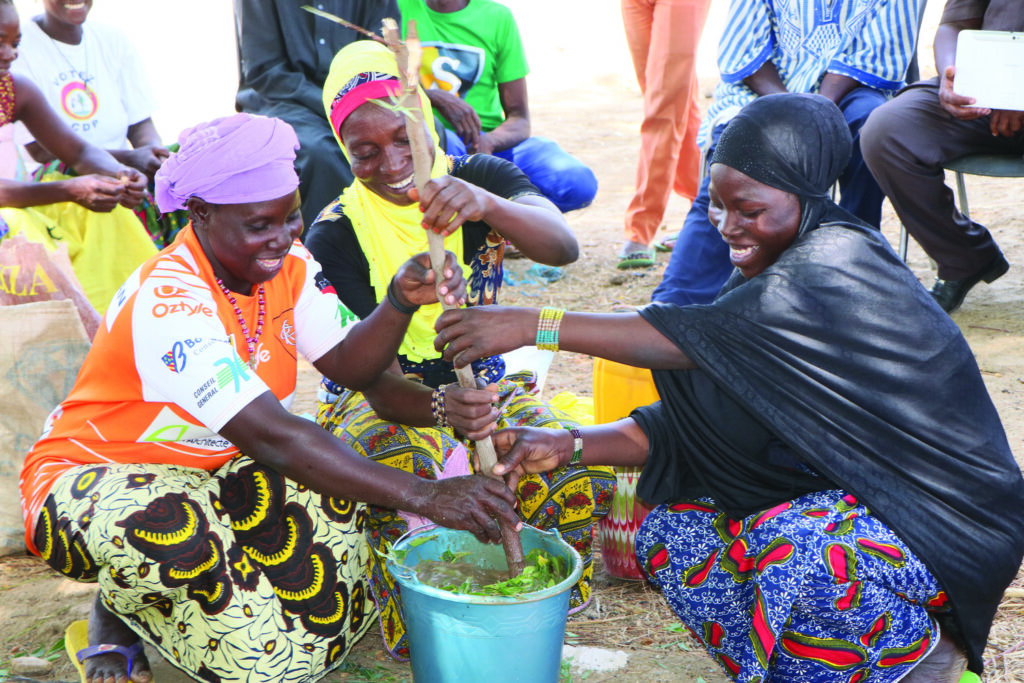
In Dédougou, trainings in market gardening inspired women to work together to earn extra income by producing and selling tomato paste made from the produce from their gardens. Madame Traoré, a pastor’s wife, learned about tomato paste and above-ground gardening and is helping her family and neighbors improve their nutrition.

Today, she trains women in her community and sells her tomato paste throughout the western region of Burkina Faso. She also shares the gospel to those she trains. Her income has increased, and she is happy to contribute to the development of women.

Life-changing Trainings

Terrorism, extreme weather, poverty, and historically poor land management leave West African farmers at a constant disadvantage.

However, in the midst of these trials, hope is shining through!

ECHO West Africa training teams have equipped over 3,392 men and women with practical agricultural skills that they can implement immediately to greatly improve harvests.

Internally displaced people groups, living in temporary camps and in desperate need, are being equipped with gardening skills to grow food in small spaces.

From Failing to Successful Gardens 

ECHO recently partnered with a local NGO to provide 10-day trainings for 564 people. These trainings in market gardening techniques and entrepreneurship are helping families improve their gardening production and boost their incomes.

Abigaelle Kini was one of the women trained. She and her husband have a small plot of land that they were farming, but they kept trying and failing, never quite knowing how to make it successful.

“After the training with ECHO, I learned how to make natural products to eradicate the worms from my garden,“ said Abigaelle. “My husband and I are teaching our children all that we have learned.”

Equipping to Multiply

ECHO‘s East Africa trainers connect with family farmers through community group and school trainings, radio broadcasts, agricultural fairs, and farmer field schools.

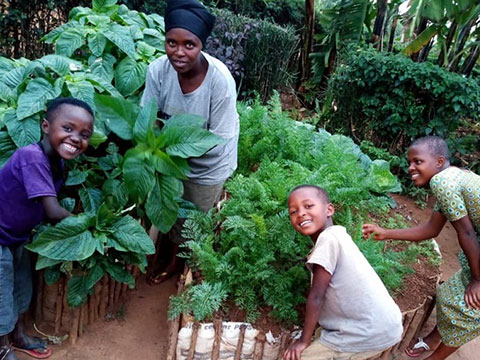
When borders closed due to COVID-19 restrictions, trainers took another look at communities within Arusha City and saw existing groups that would benefit from and multiply ECHO knowledge. Youth committees, savings cooperatives, women’s groups, and secondary schools learned about the nutrients available in perennial vegetables and the benefits of urban gardens.

“For me, this training has been an eye-opening experience. I am thankful that the training has come just right in time when we need it most, “ shared Mama Abdul from Arusha. 

Creating Future Incomes

Appropriate technology and creative capacity building have equipped innovators to solve problems in their own villages leading to the creation of ongoing small businesses and custom, innovative farm implements.

Healthy Hillsides Support Healthy Crops

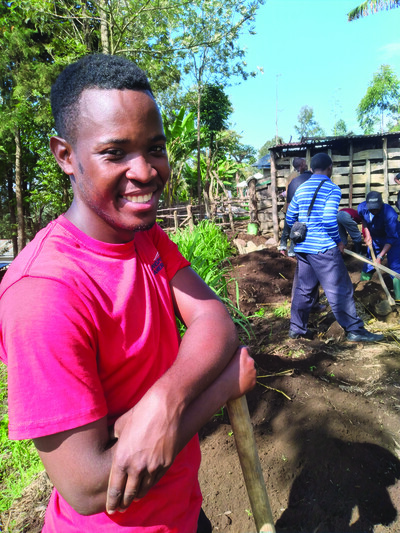
Tree seedlings and contour ditches in hillsides are investments in a healthy future! The team in East Africa has helped farmers cooperatively dig thousands of meters of erosion control contours and planted more than 24,000 indigenous seedlings to conserve precious hillsides. These hills are at risk of severe erosion leading to decreased soil nutrients and agricultural loss.

The team in East Africa has helped farmers cooperatively dig thousands of meters of erosion control contours and planted more than 24,000 indigenous seedlings to conserve precious hillsides. These hills are at risk of severe erosion leading to decreased soil nutrients and agricultural loss.